Intro
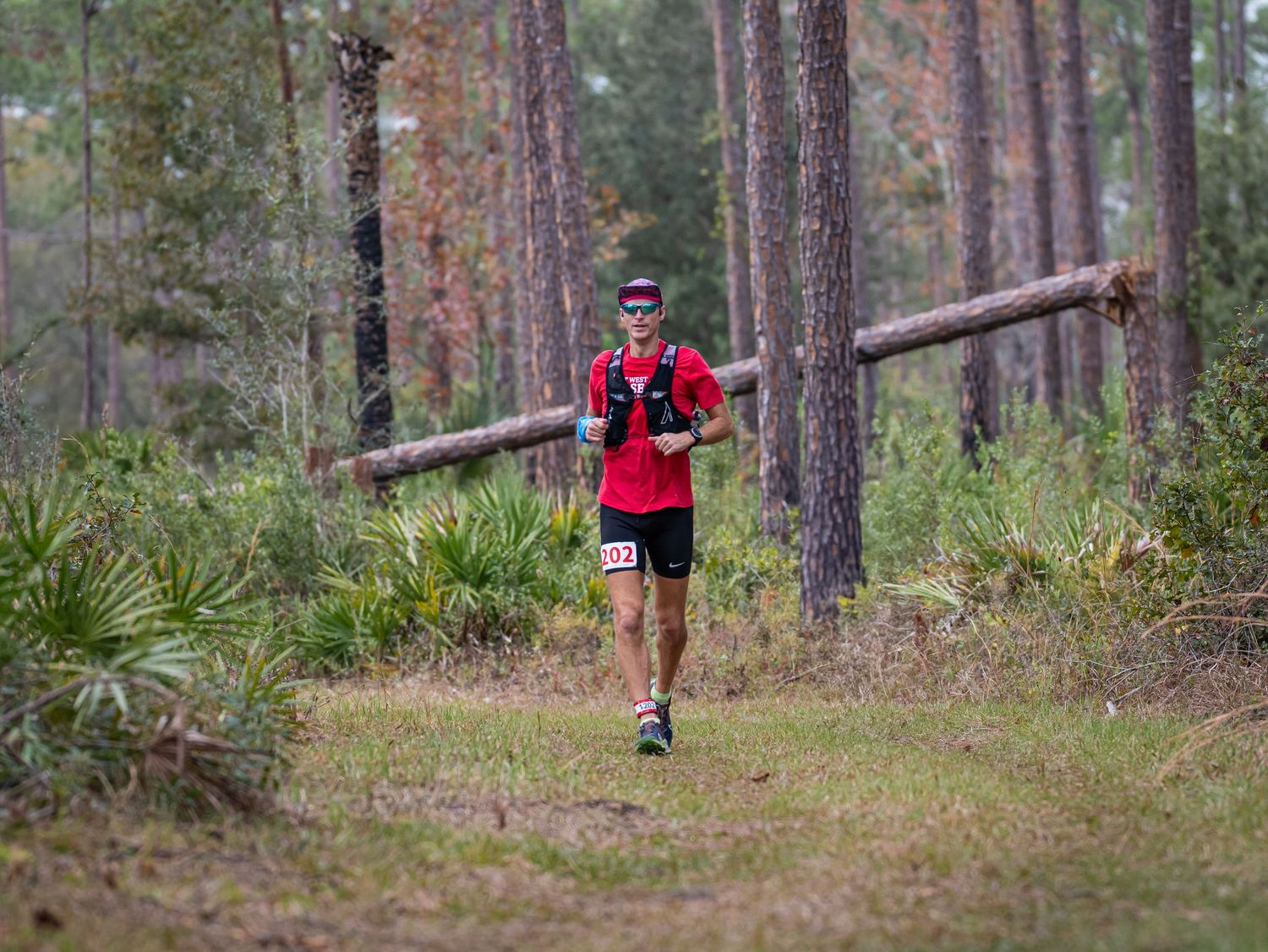
A 32 straight hour shoot sounds tough….but I’ve run multi-day ultramarathons. Grueling challenges with terrain ranging from mud, mountains, to the brutal Florida sun. Hell, I’ve done a 76 hour event where I only slept 2 hours, partially due to caffeine, and partially due to mosquitos. So, was the 2025 Long Haul 100 as easy as I thought it would be? Absolutely not.
Unlike me, you may have guessed that outcome from the start. However, sometimes approaching a challenge with a level of ignorance is the beneficial, because you have no predefined notion of what you will experience, and can more quickly react to changes and obstacles put in your way. I’ve found I perform my best during ultramarathons where I approach the starting line with a sense of fear of the unknown, and perform my worst when I already have hard-set ideals of how the race will go. However, this doesn’t mean I like going into a race completely blind… quite the contrary. I approach most challenges with careful planning and thought, but never loose sight of the old saying “what can go wrong, will go wrong”. Essentially, what I’m saying is “Plan the best you can, but know that something outside of your knowledge or control will NOT go to plan”.
So, in this blog post I want to discuss not only the lessons learned from my first photography specific shoot, but give you an insight into the good, bad, ugly, and everything in between. And while the focus so far has been on the potential negatives, I can’t forget to mention that unexpected positives occur as well… just less frequently. Angles and set-pieces that I was didn’t intend to capture turned out to be my favorite pics…missing a ride to a shot location caused me to walk the 2.5 mile trail, forcing me to capture scenes I would have completely bypassed…awkward lighting scenarios ended up producing intriguing images after post processing…I’ll go into everything in the following sections, so let’s get started at the beginning.
The Night Before
I won’t spend too much time on the day/night before the race, but as a quick note it was a blast. Seeing friends, getting a short run in, and having dinner with Kalo and Luke was the perfect start to the weekend. I had intended to capture more pictures of the packet pickup, but honestly the location wasn’t great for photos, and I only captured a few shots that I enjoyed. I also misplaced my car keys, so by the time I found those, set up my tent, and organized my gear, I was in need of some decompression to calm my nerves. While I was stressed that I technically wasn’t going to capture the entire event, I realized I’d have plenty of time over the next two days to get the best part…the damn race!
Lesson Learned #0.5: Pack less, and be more organized
I had packed so much crap that it was practically spilling out of my car. I also decided last minute to camp the night before instead of getting a hotel room, and that was a mixed decision. I ended up packing enough camp gear to house a small army, which caused my car to be even more overcrowded. Over the next two days I was constantly misplacing equipment and spending crucial shoot time searching for batteries, cables, and other random pieces of gear I ended up not needed. For the future I will pack smarter and bring more storage containers for better organization.
Race Day: Pre-Race Morning
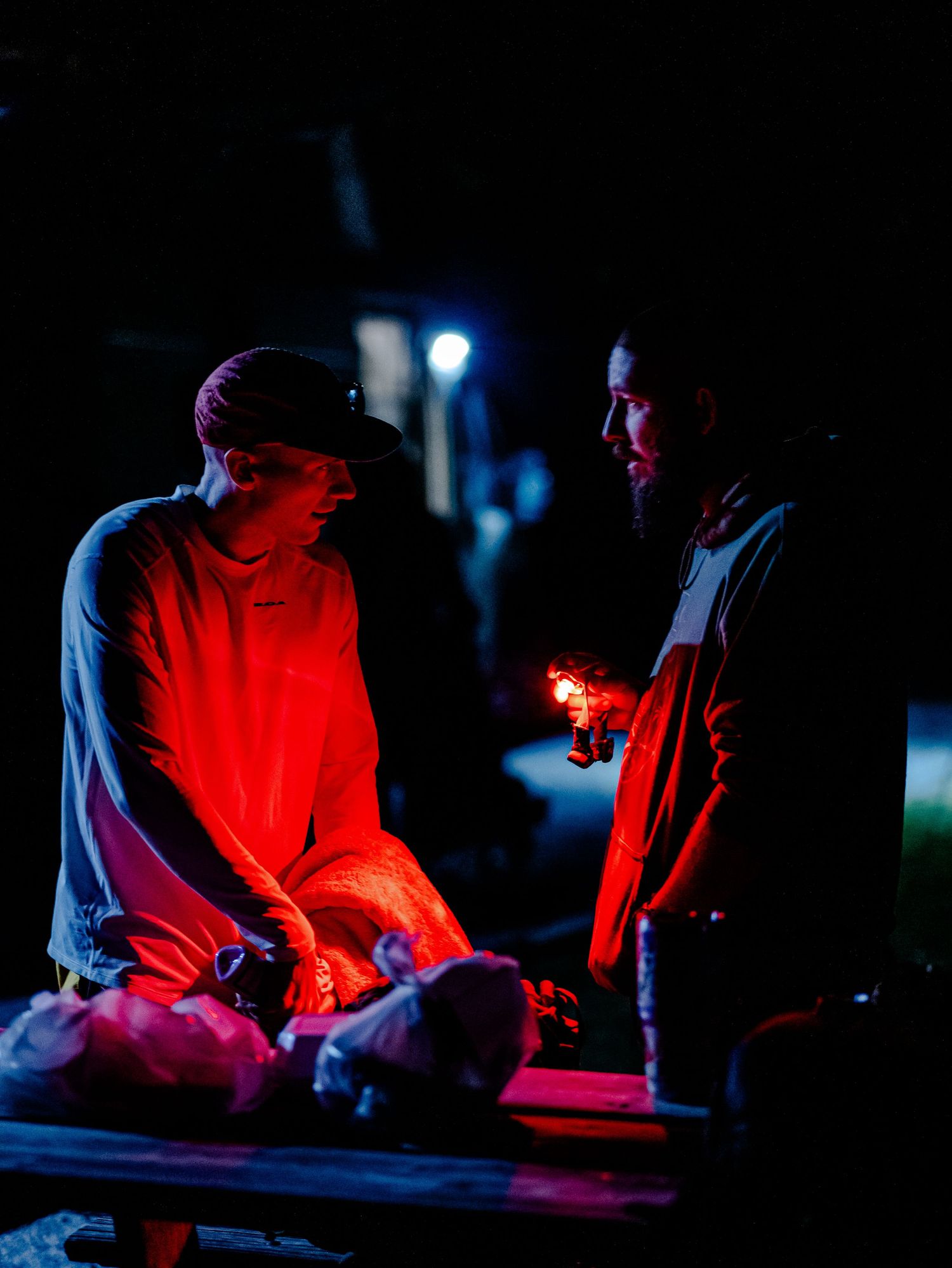
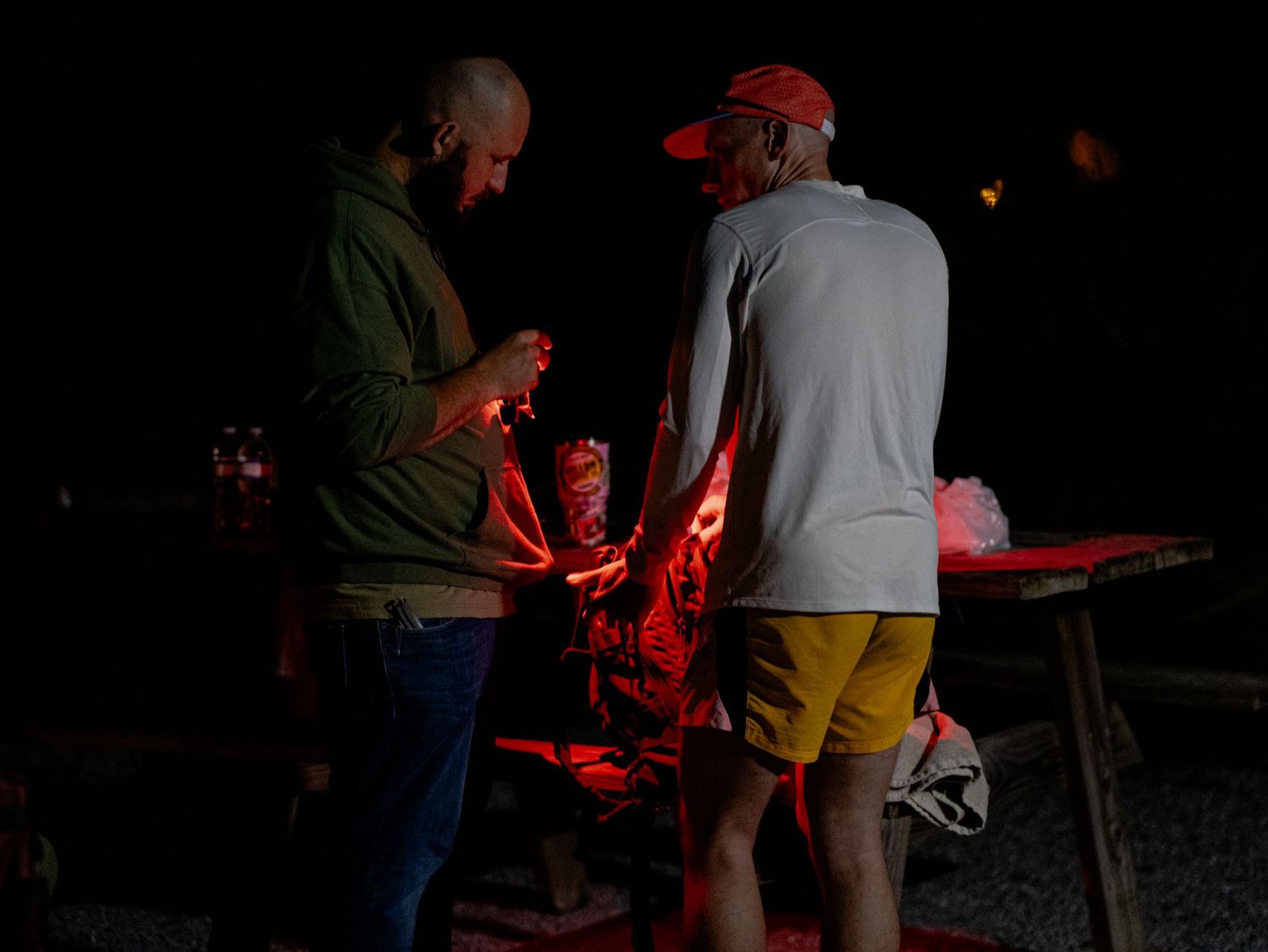
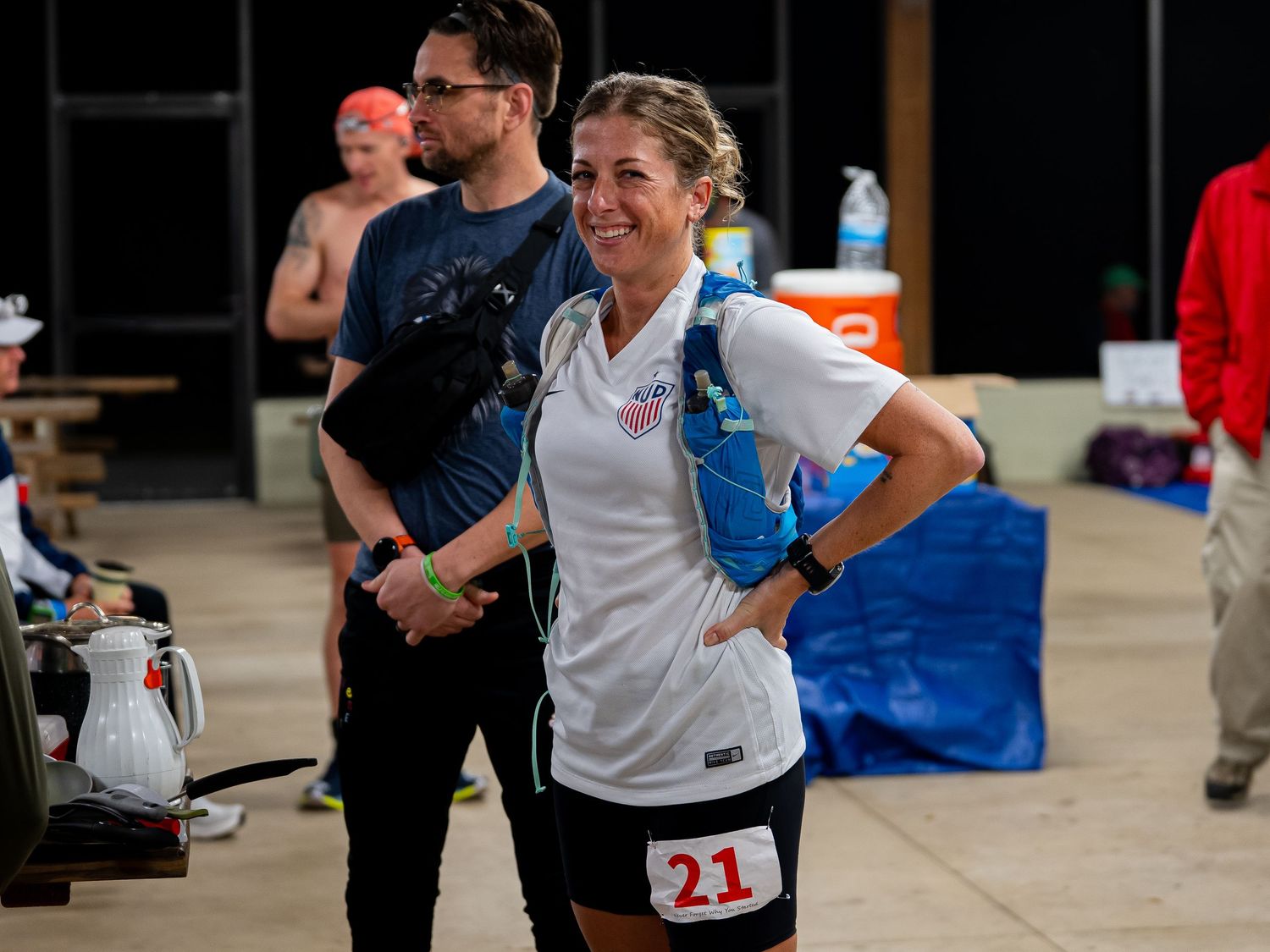
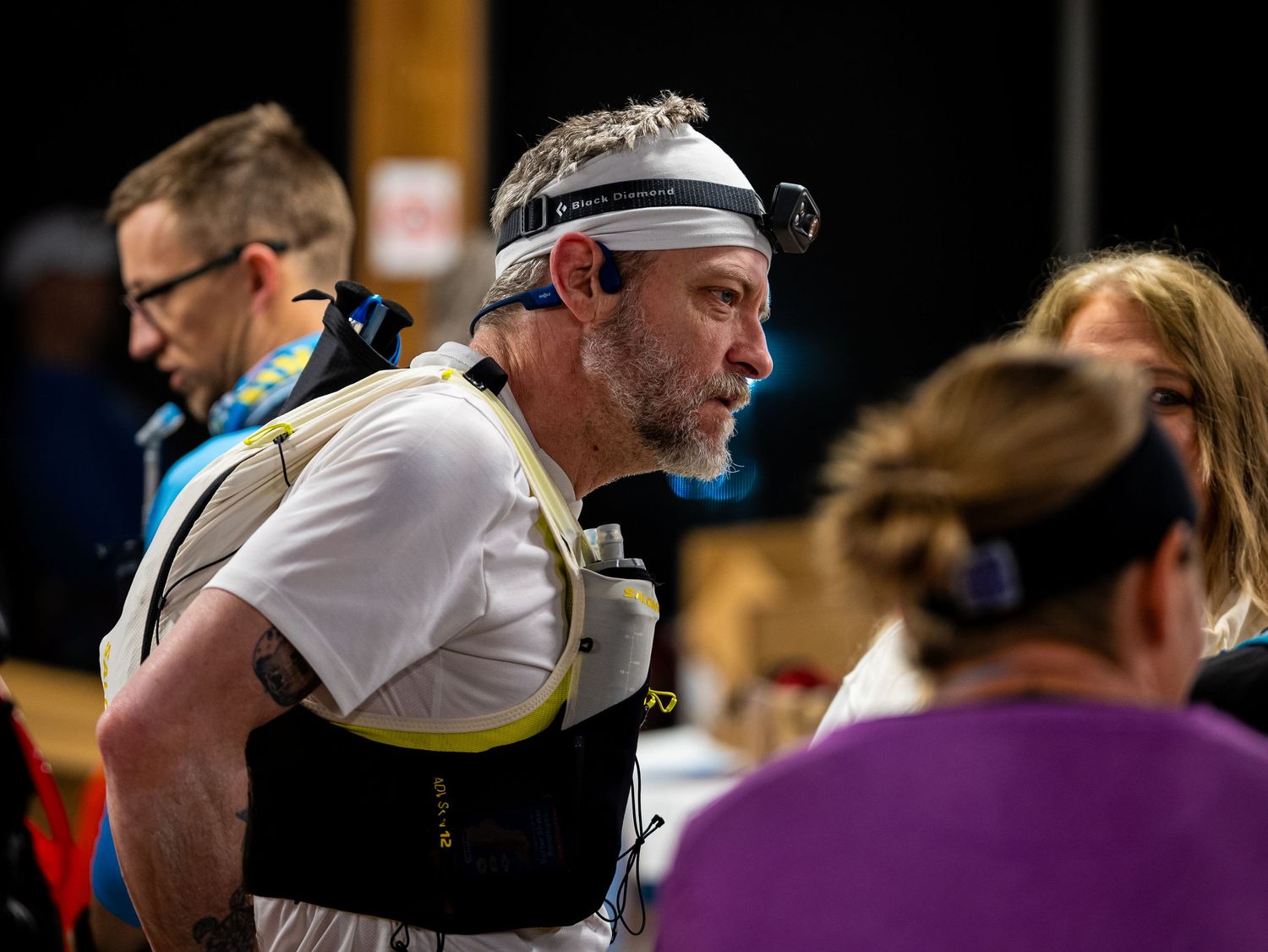
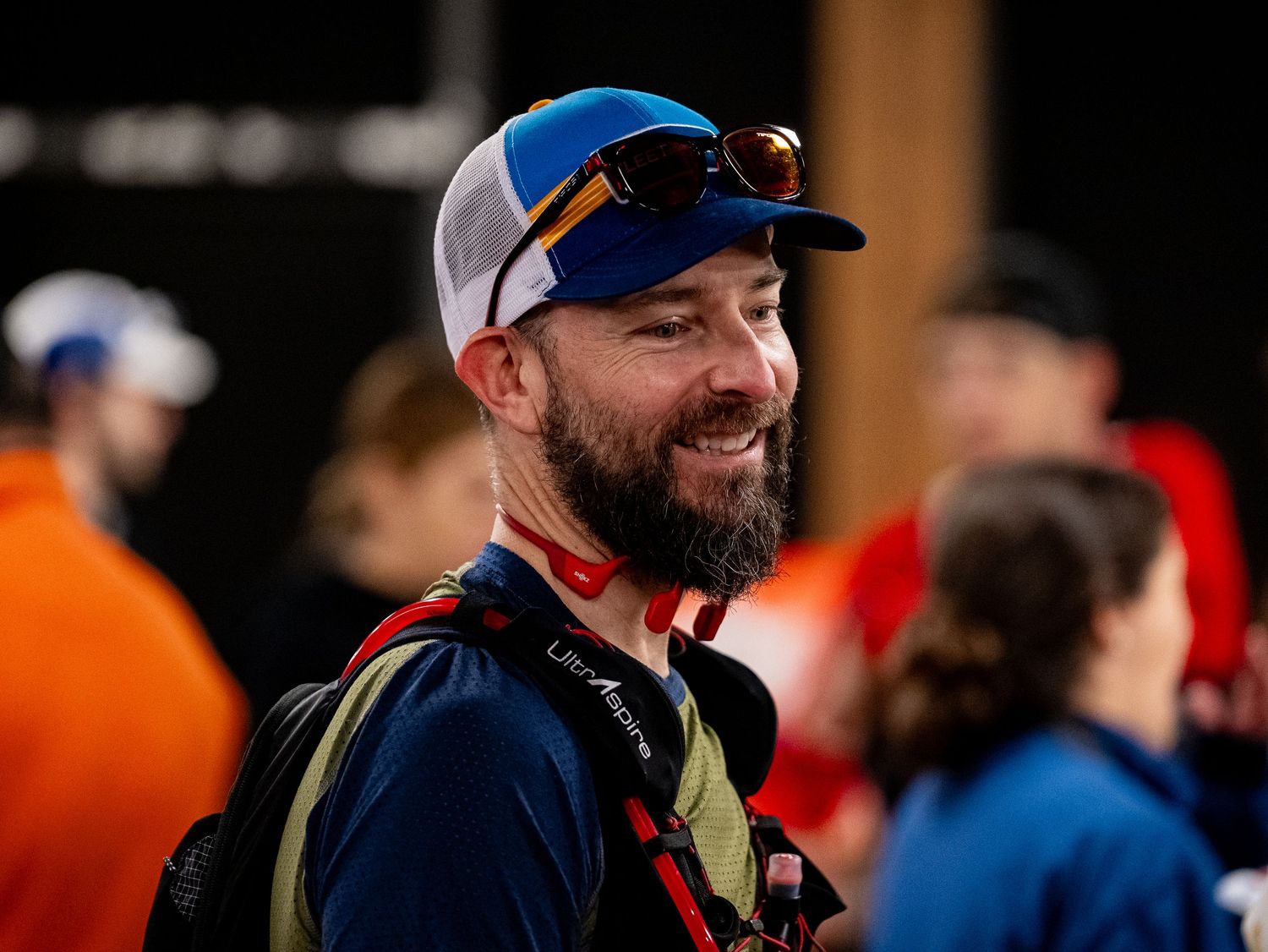
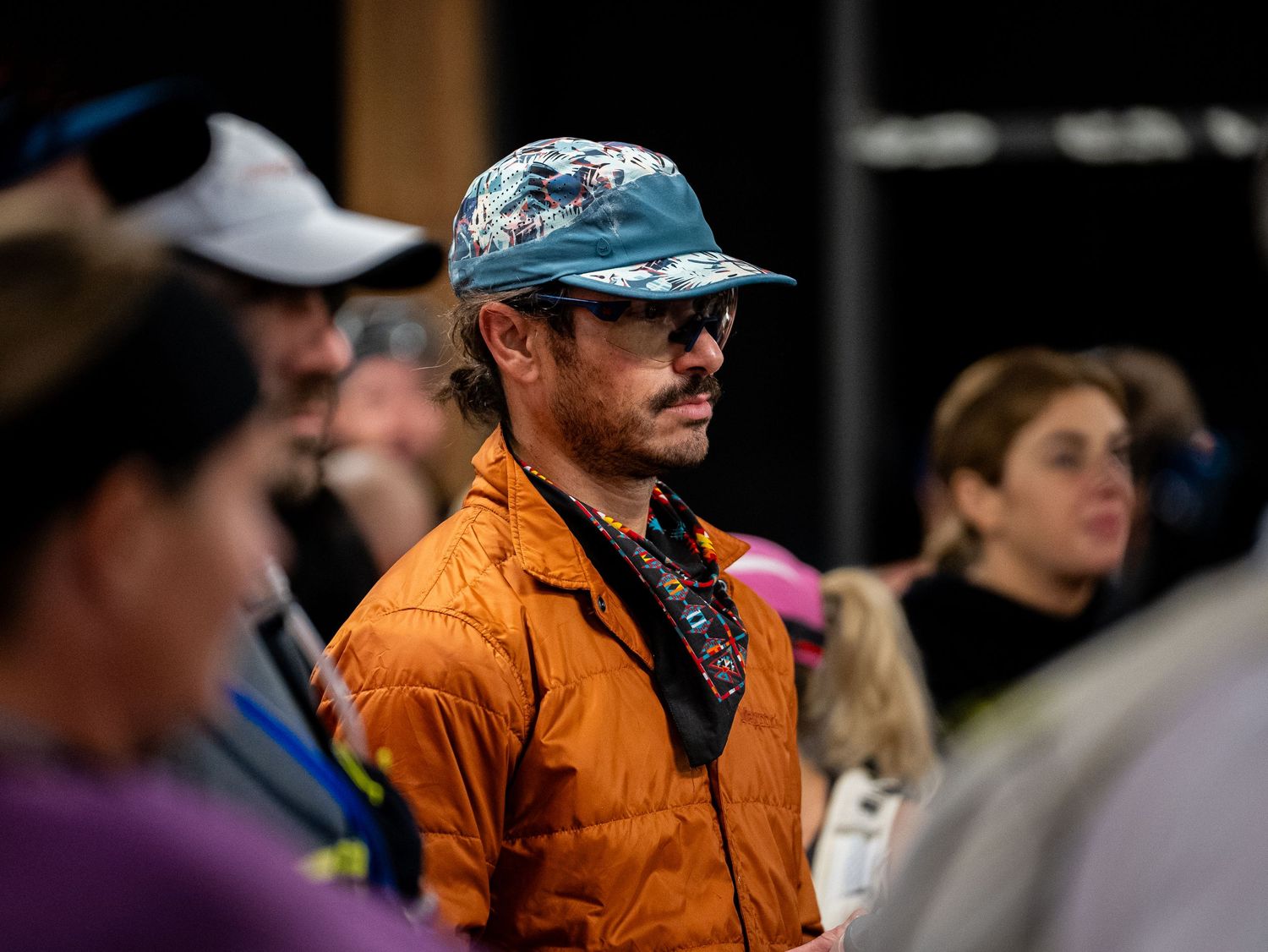
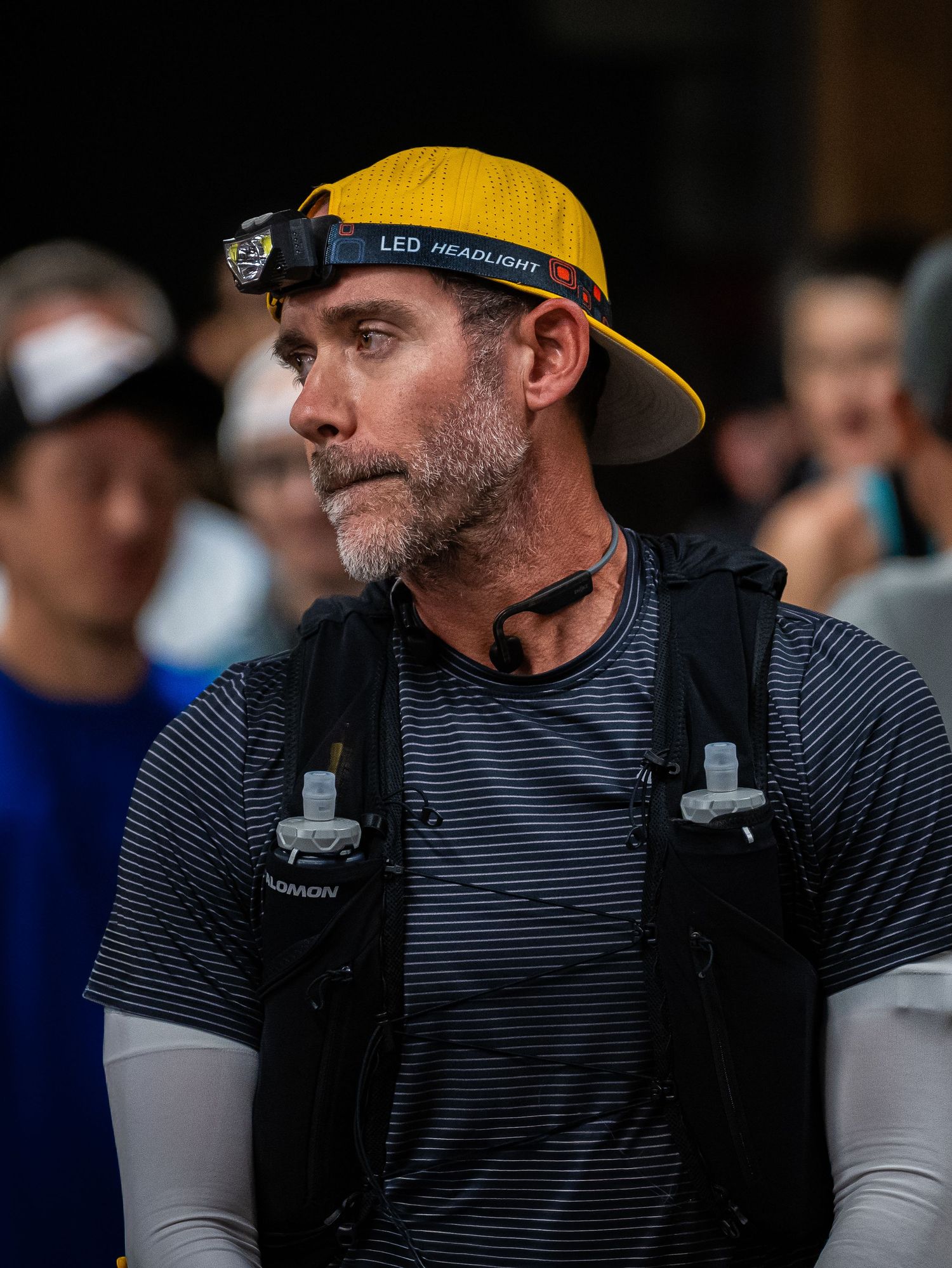
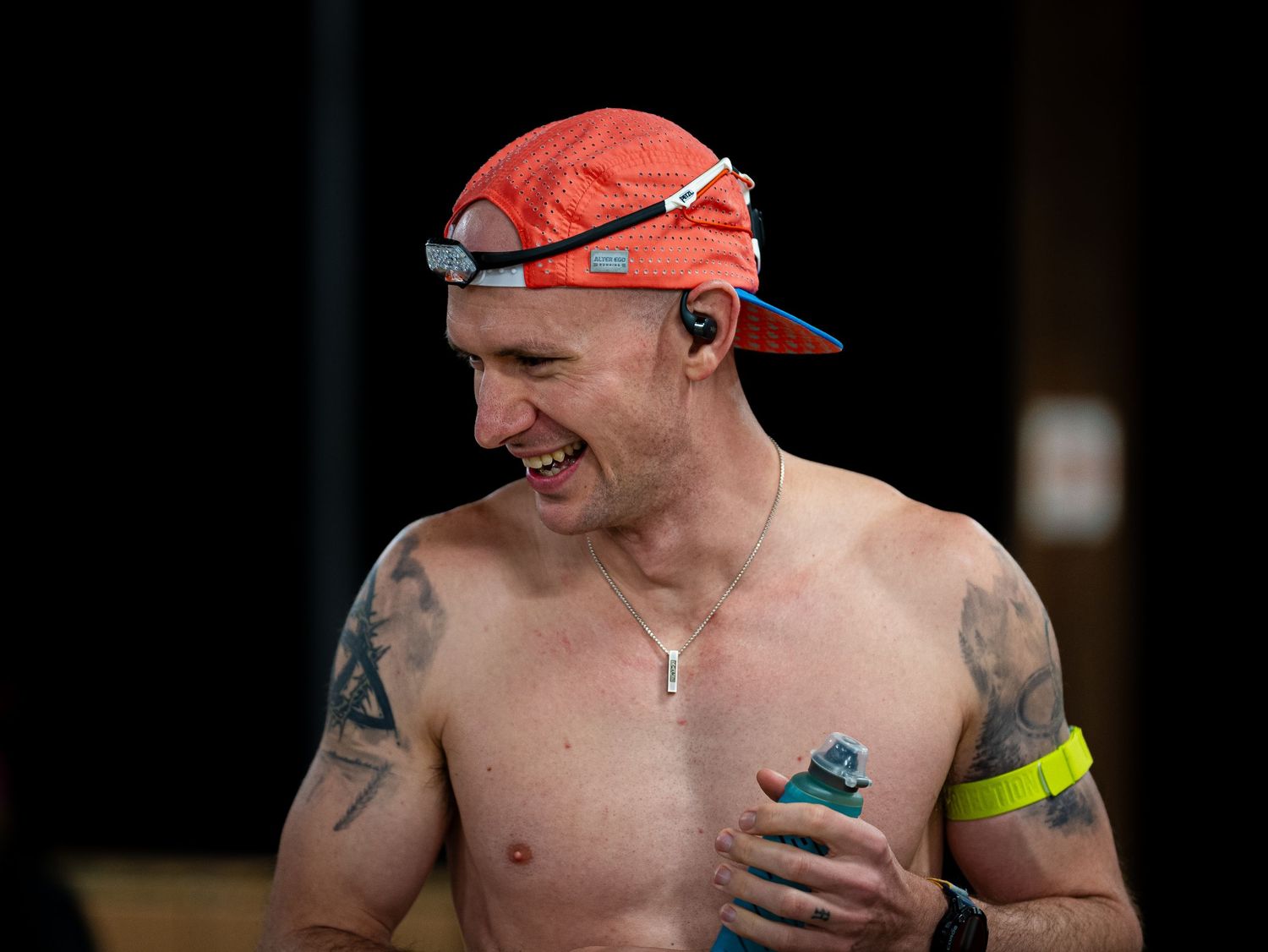
A few hours before the race I again found myself in the main structure of the race that housed packet pickup and the start/finish aid station, and again I was stressing out because the photos weren’t very captivating. However, this shortly changed as the runners began arriving, and soon I found the pavilion packed with people. This gave me the opportunity to start getting the shots I came here for, the shots showing intensity, emotion, excitement. Really capturing the feel and aura of an ultramarathon.
Lesson Learned #1: Have an idea/intention for what shots I want to capture
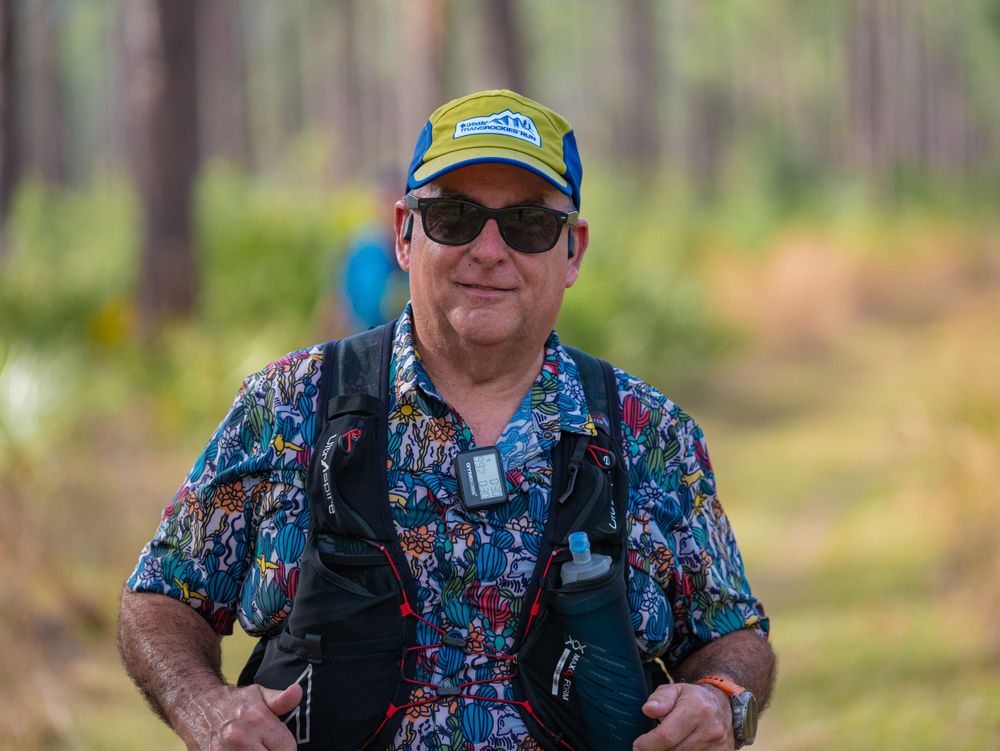
I showed up wanting to capture the feeling of showing up nervous and excited, mentally preparing for the next day+ of your life. My favorite pics from this time of day were the portrait shots, zoomed in and sharp on the eyes and face. The environment of the pavilion wasn’t exciting, so I need to make it exciting. Next time I want to capture more close-up shots of the runners receiving race bibs, because the “across the room” ones just didn’t spike excitement when I was viewing them back. Seeing some being handed a bib isn’t captivating…seeing someone’s face as they receive that little piece of paper that will be pinned to their clothes for the next day+ is very captivating.
Lesson Learned #2: Move around more, and move with intention
Coming in with an idea of capturing these close-ups would have caused me to move around the room more, getting different angles of the runners with their friends and families around. I did move around quite a bit, but the wider-angle shots didn’t turn out well, and if I had a plan in mind, I could have captured more interesting angles and expressions of the runners and their crew.
Race Start: Not expecting much
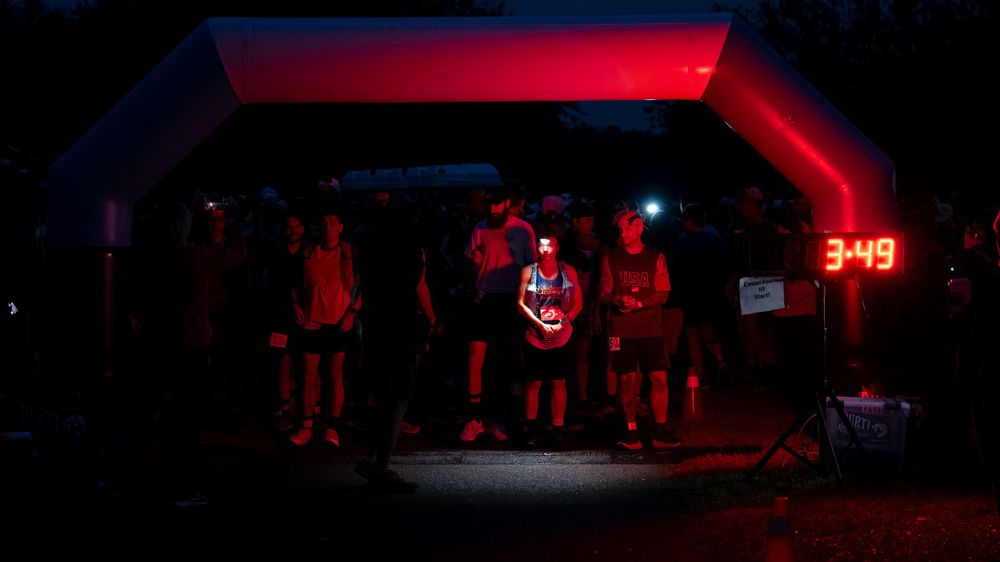
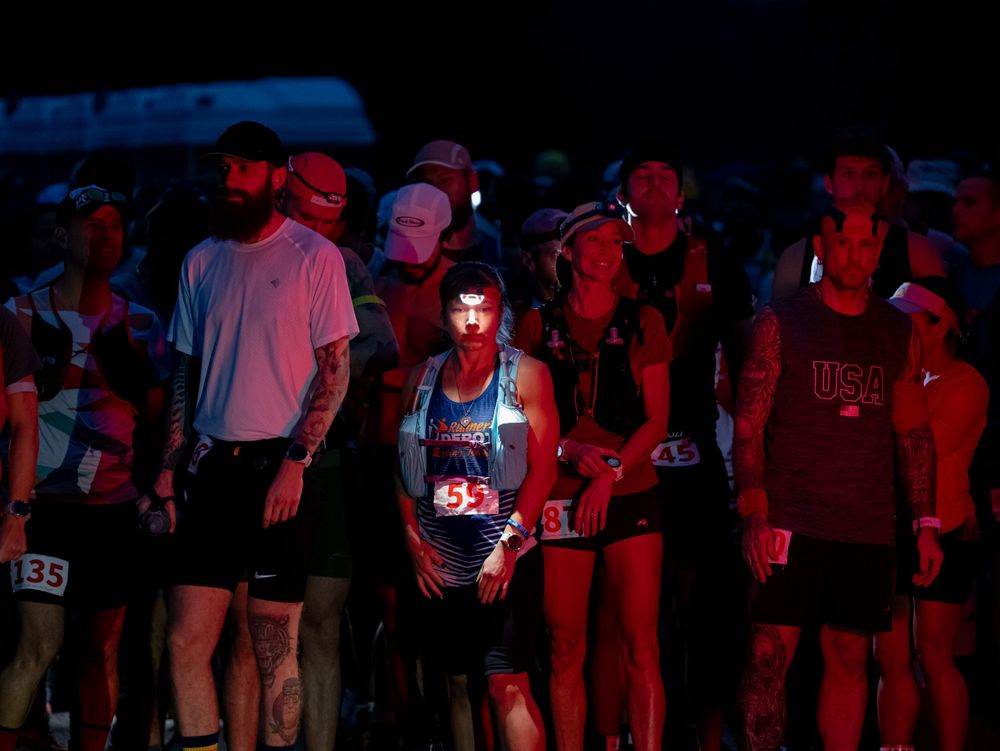
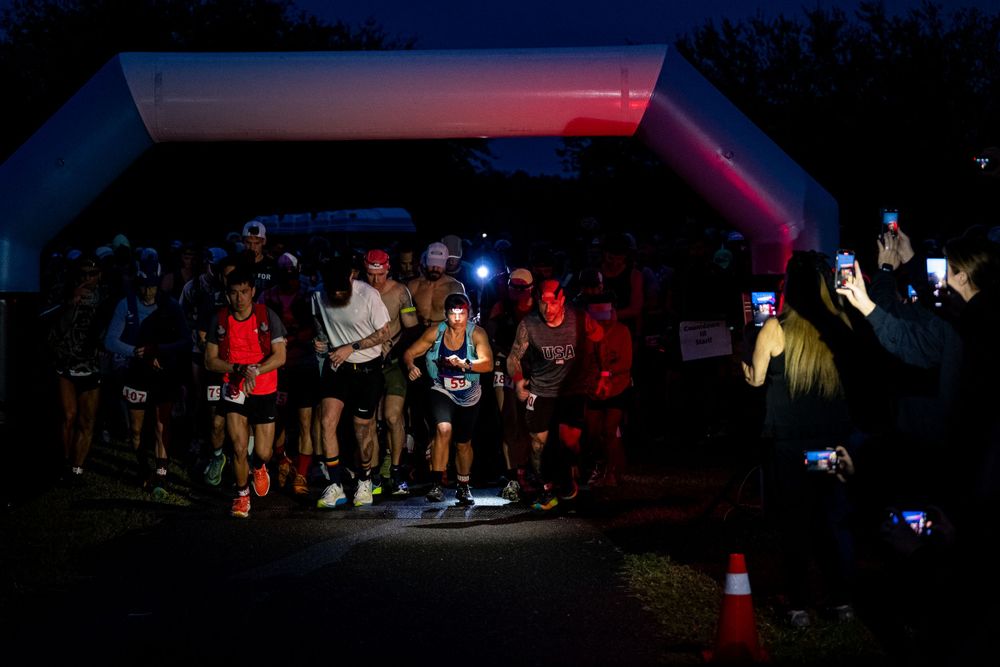
Since the race began right before sun-up, I didn’t expect to capture the best shots of the day here. The lighting was poor, but I knew I could get some good pics of the runners lining up, and they turned out well. With a higher ISO I thought I would be able to get some decent shots of the subjects starting the race, but these all turned out blurry for the most part. Which leads me to a regret and a lesson learned.
Lesson Learned #3: Bring lighting, even a small amount
I had a small portable light that would have really enhanced these shots. I could have set it up on my tripod, and had runners illuminated as they ran by me. I think these shots would have turned out awesome with the closest subjects to me being illuminated and the further ones being case in shadows. However, I didn’t want to be in the way, so I left this gear in the car. I should have taken ownership of my job and requested/insisted on putting up my lighting, but I was apprehensive and did not want to get in the way.
Lesson Learned #4: Crank up the ISO (Sometimes)
This is really something learned in hindsight, but after the race I viewed a few other galleries from similar races. Many shots in these galleries were grainy and “messy”, but they were in focus and captured the moment. I’d rather have a grainy shot than no shot at all. And for the most part, people won’t mind or even notice a little grain. Next time when I have a low light situation I will crank up the ISO, hope for the best, and try to fix the shots in post.
The main shoot starts…Almost
So taking a brief step back, I need to mention my transportation. I had brought my gravel bike, a Surly Midnight Special, which was well equipped to traverse the compact dirt and mildly technical trails. This bike took me all the way across Florida using the Coast to Coast trail system, and was my first inspiration for running ultramarathons. I had a general plan of the locations I wanted to hit, but more importantly this would prevent me from having to find parking at the areas with limited parking, and most importantly get to the areas where there was no car traffic.
As I traveled down the dirt road to get to the first location, my rear derailleur had an issue, with a part coming loose and causing the cogs to explode and my chain to fly free. My relief at finding out the chain was still intact was overshadowed by the missing screw, washers, and sprocket that guide the chain to the rear chainring. After spending a few minutes failing to locate the components, I gave up and started to walk the half mile back to my car, feeling a panic attack set in. Luckily a car was driving in my direction, and I was able to snag a ride back to my vehicle where I began formulating plan B.
Lesson Learned #5: Things will go wrong…always
This is less of a lesson and more of a reminder to others, and a reiteration of my words from the intro of this blog. From my experience running, I’ve learned that no matter how much planning and preparation, things will always go wrong. Admittedly I figured I’d have some sort of failure this weekend and I tried to plan, but I was assuming a photography specific failure and not my bike. While it was an added stressor, I remained calm and moved into action, re-planning my process for the day. If I gave up every time I hit a roadblock I wouldn’t be where I’m at today, and this is still something I need to remind myself when times get rough, whether that be work, hobbies, or running.
The shoot starts…for real
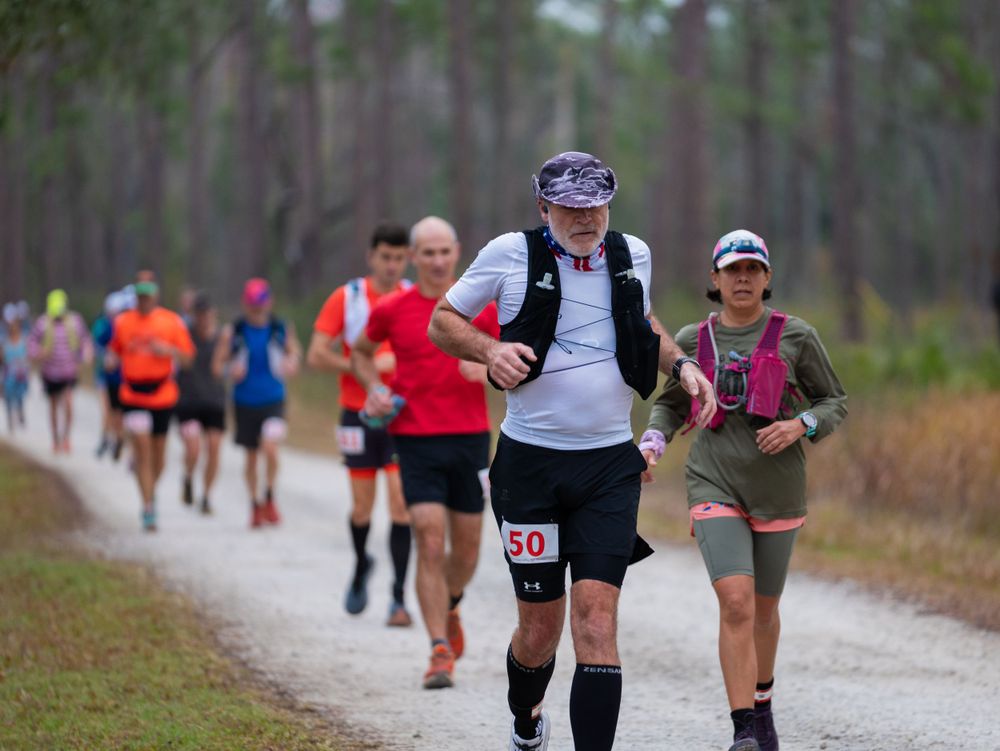
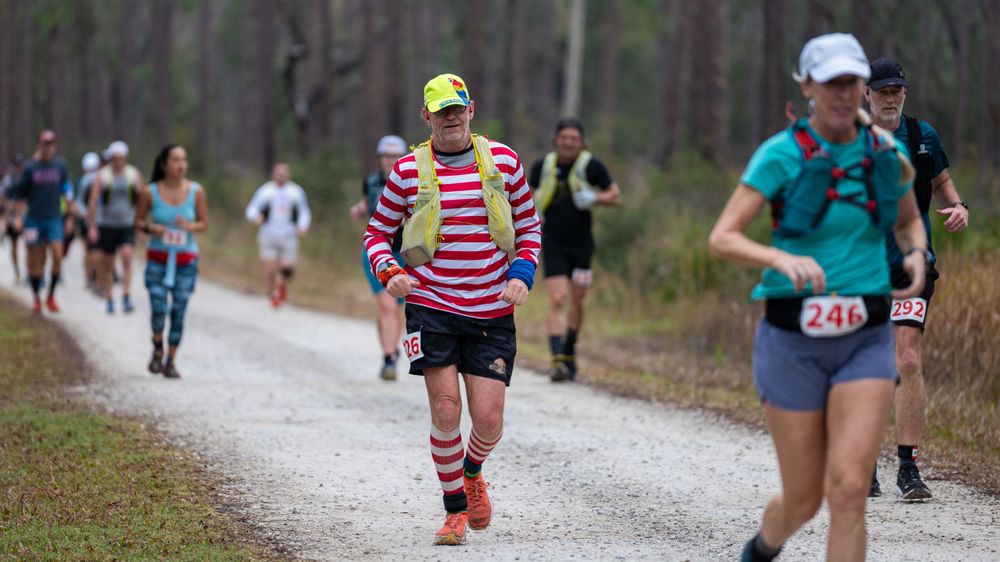
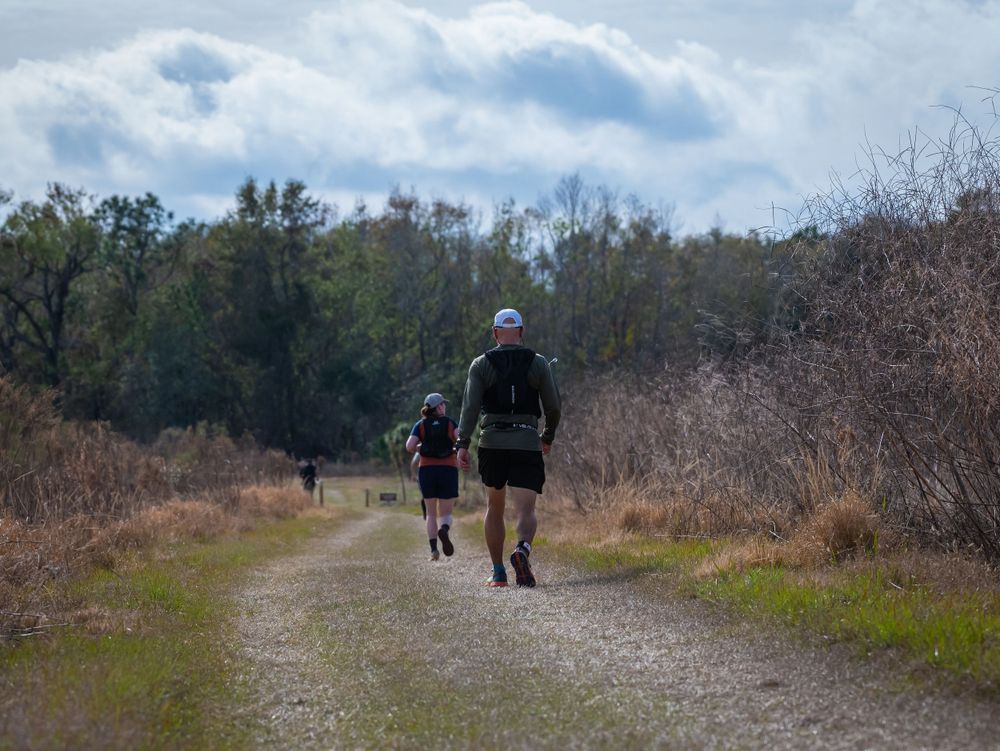
As mentioned, there were some areas with parking, and luckily my first planned area was one of these locations. After arriving at the designated parking location, I hastily got to work and was able to capture most of the runners coming down the dirt road leading to the first aid station. I had missed the frontrunners, but I had a plan for that. I wouldn’t say these shots were my favorite, but they captured some of the excitement of the early race. Another benefit of this section was that it was only partially shaded, allowing some of the light from the overcast sky to illuminate my subjects. This was a few miles in, so many of the runners were transitioning from a state of “nervousness” to “confidence” as the pre/early race jitters subsided.
My next move was to walk the current section backwards, ensuring I’d capture pics of all runners moving towards me, which included those illusive frontrunners I had missed. This particular section of the race had runners arriving down the aforementioned dirt road, running a 5 mile loop, then exiting back toward the trail system leading to the rest of the course.
My original plan was to bike to a few key locations, stop, and get most of my pictures at single spots. Without transportation I had to move slow and steady, which caused me to focus more on the trail and search for the best shots. On a bike I feel it would have been tiresome to keep stopping and checking for good spots, but on foot I had the time to move slow and think. I went from thinking “wow, what a pain in the ass this is”, to “Wow, what an opportunity to really search for a unique shot”.
Another benefit of going on foot meant that I was getting bored, so after a few runners passed and I got shots, I continued moving until I reached another individual or small group or good location. This caused most of my shots to be completely different, so going through the catalog of pictures provides only a small subset at the same location. I think this style makes looking through the pictures engaging and fun, however, it came at a cost. The lighting, shade, and colors of all my shots varied widely, causing post-production to be a nightmare. I couldn’t make a single preset and apply it to more than a handful of photos, meaning I spent a significant amount of time color grading.
Lesson Learned #6: Think about the “whole picture”
I was so focused on capturing the best shots that I didn’t think about post processing. For smaller shoots and races this wouldn’t be such a big deal, but I ended up with over 4,000 shots which were reduced to 1,100 “keepers”. For a shoot this large, it would have reduced time if I stuck with my original plan and shoot a few select locations, meaning I would be able to apply presets to larger groups of photos and get the product out sooner. For this shoot it didn’t matter because I was not constrained by a delivery schedule, but future contracted work may rely on a quicker post-processing timeline.
The Atmosphere of the Long Haul 100
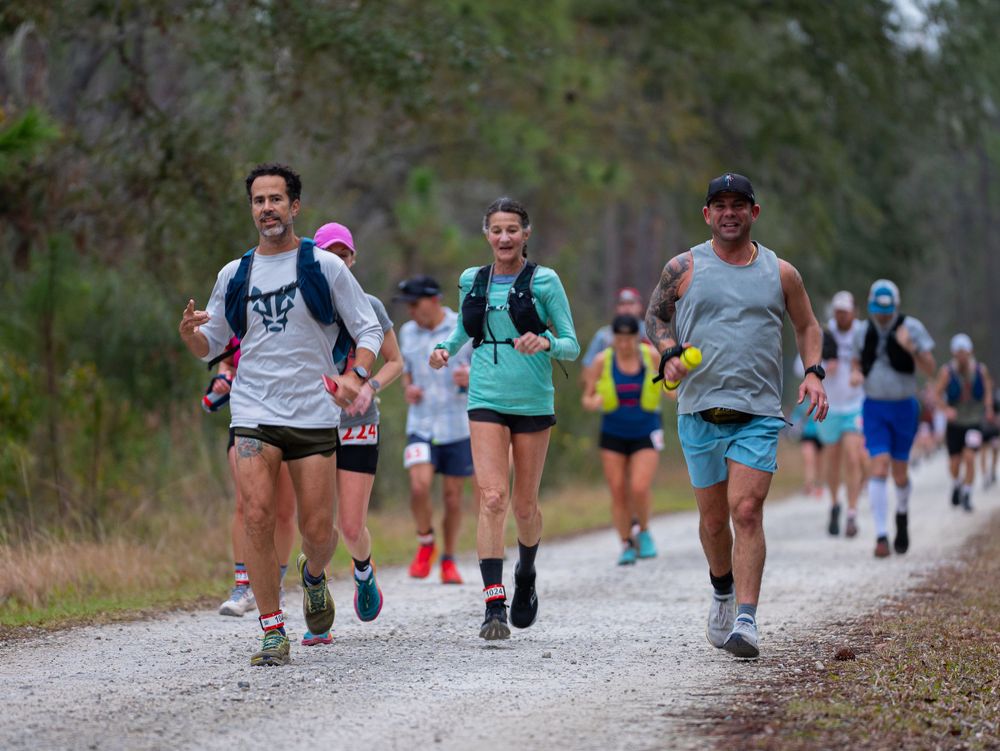
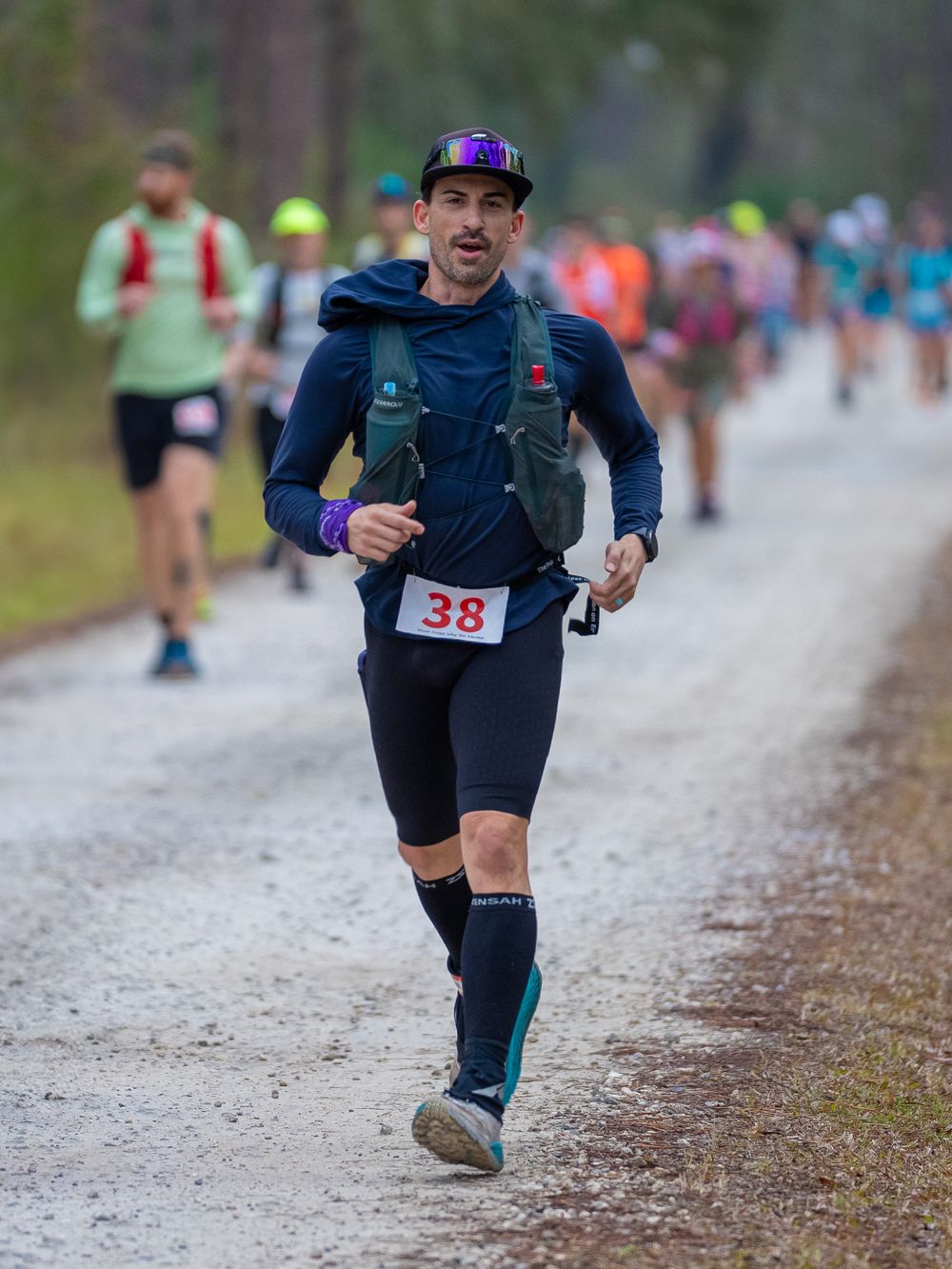
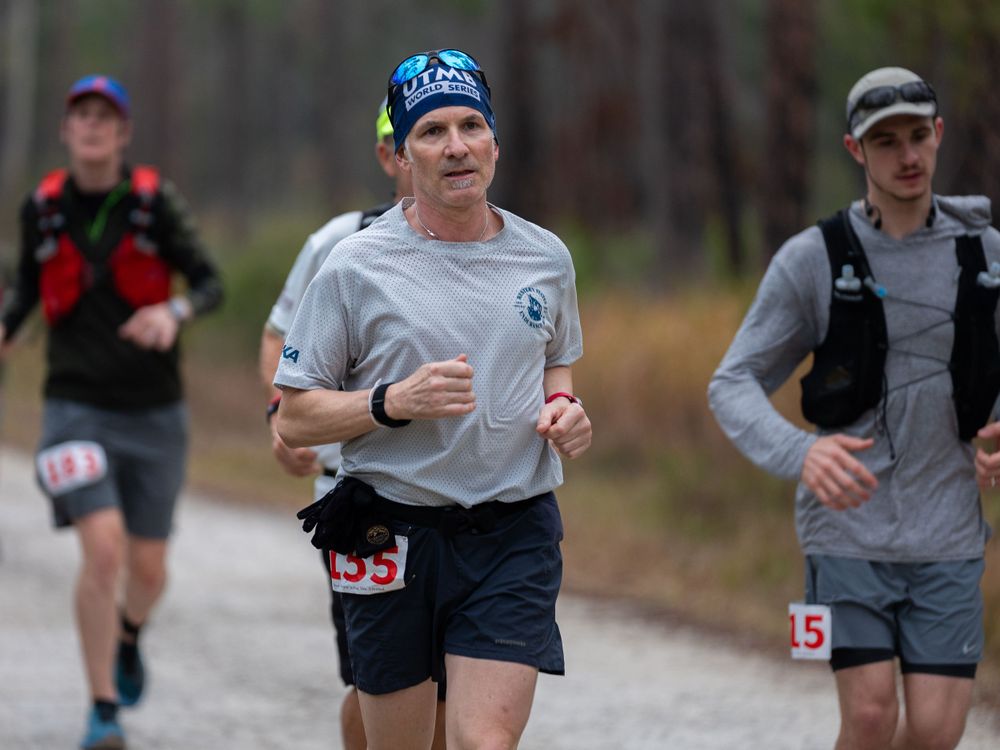
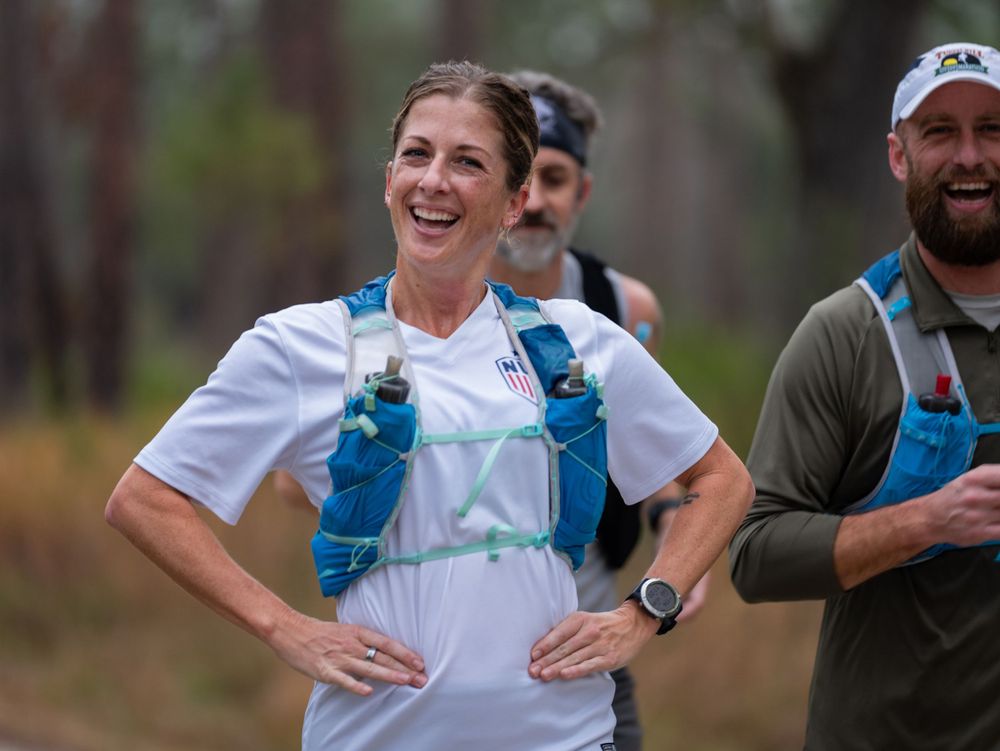
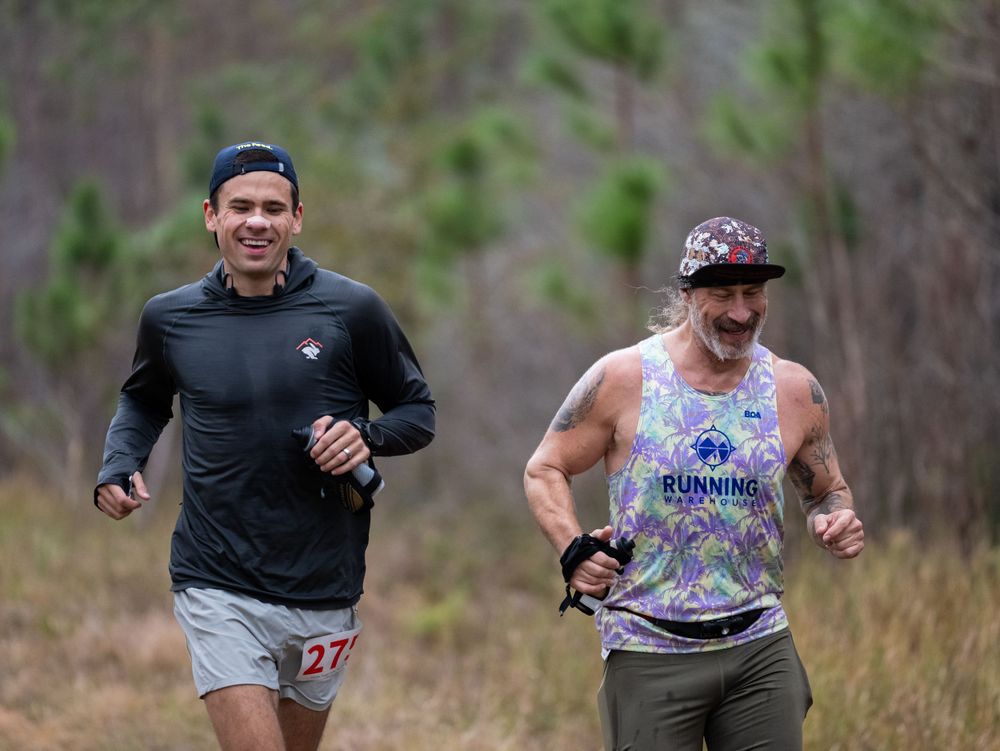
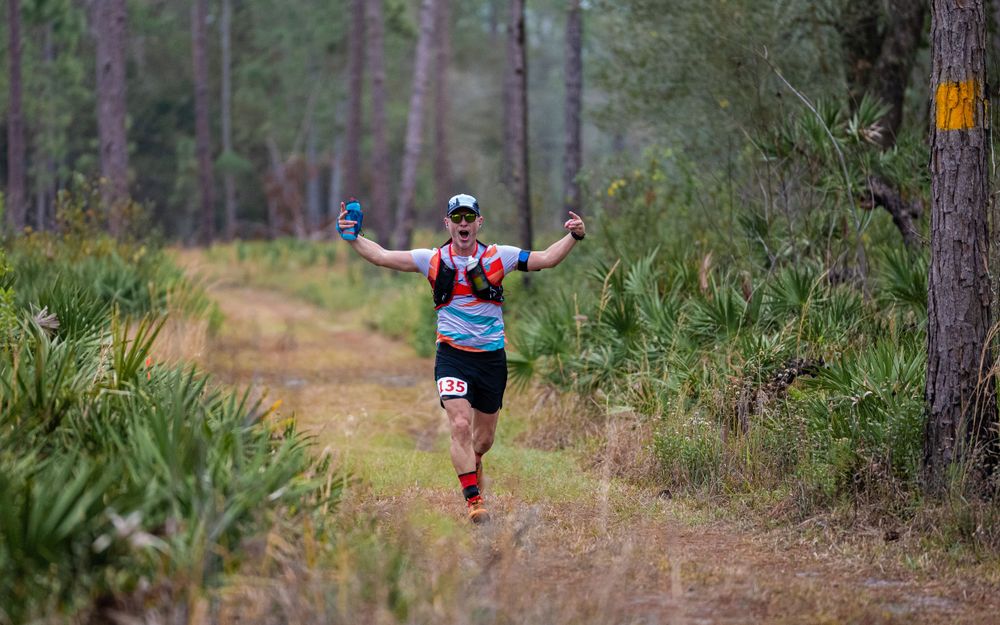
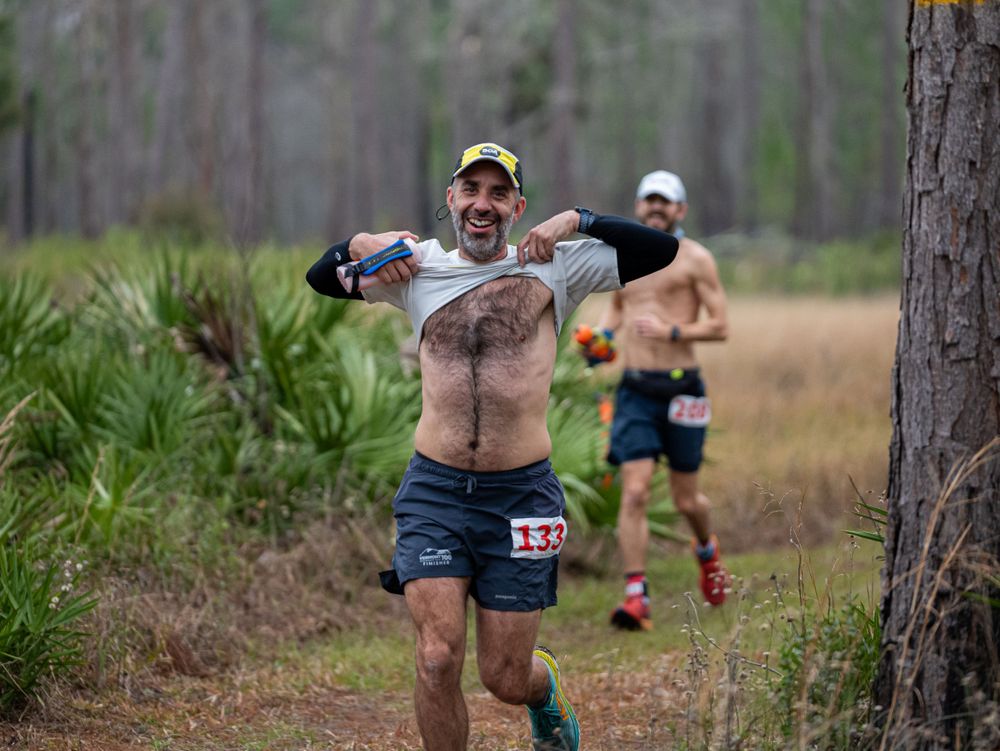
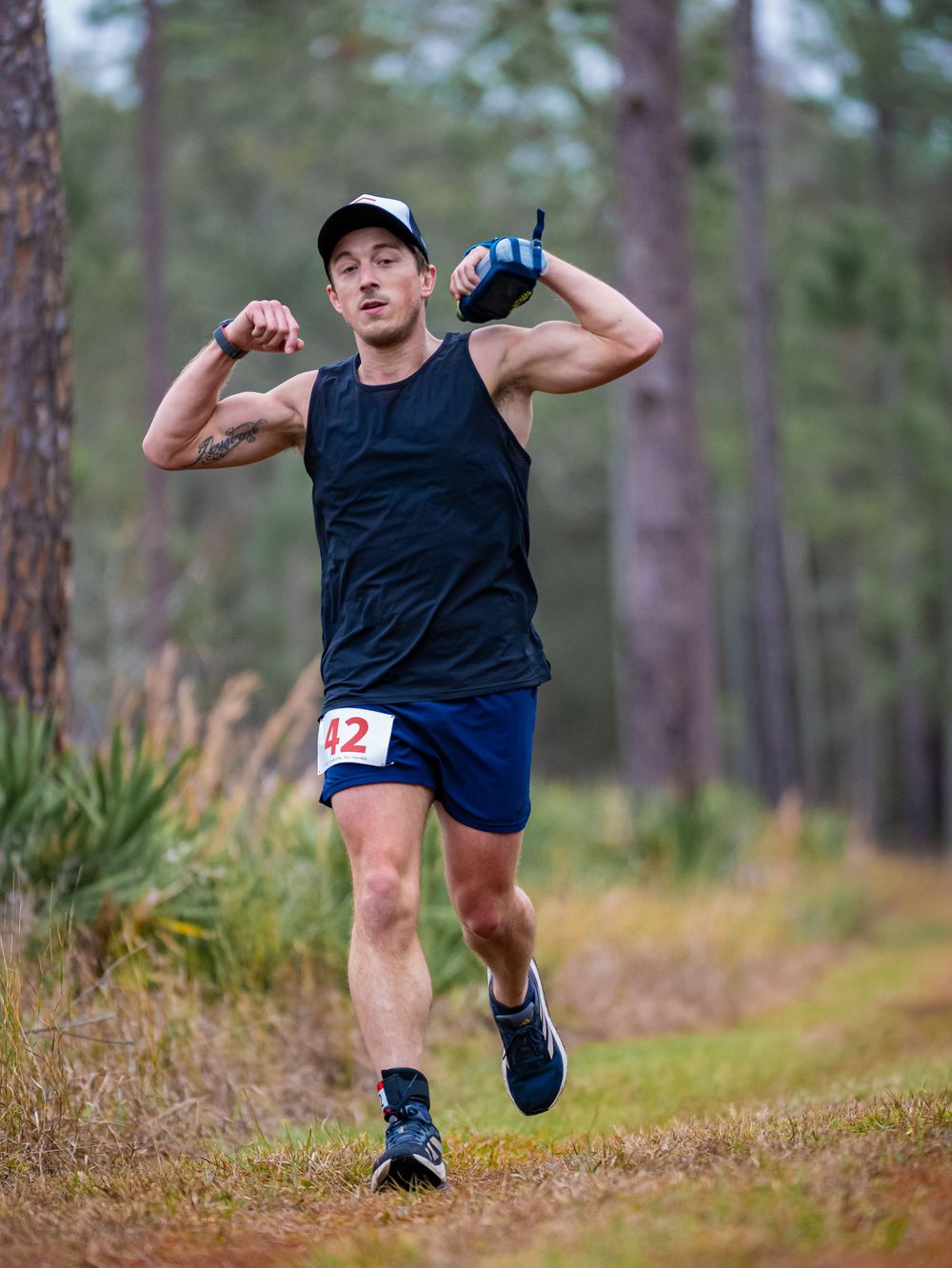
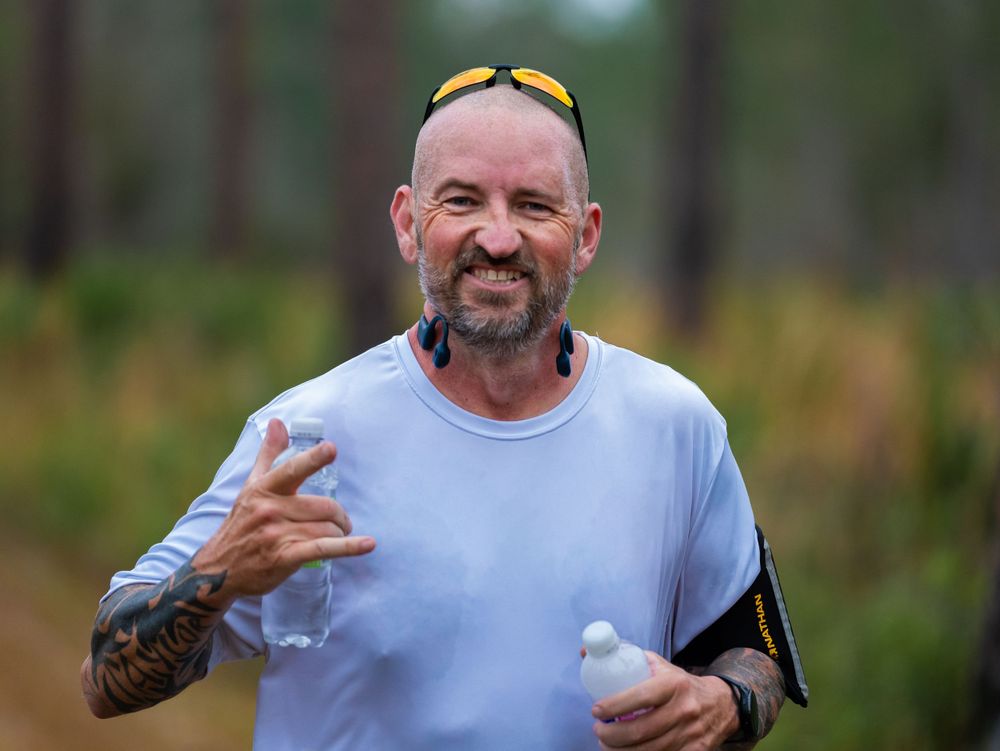
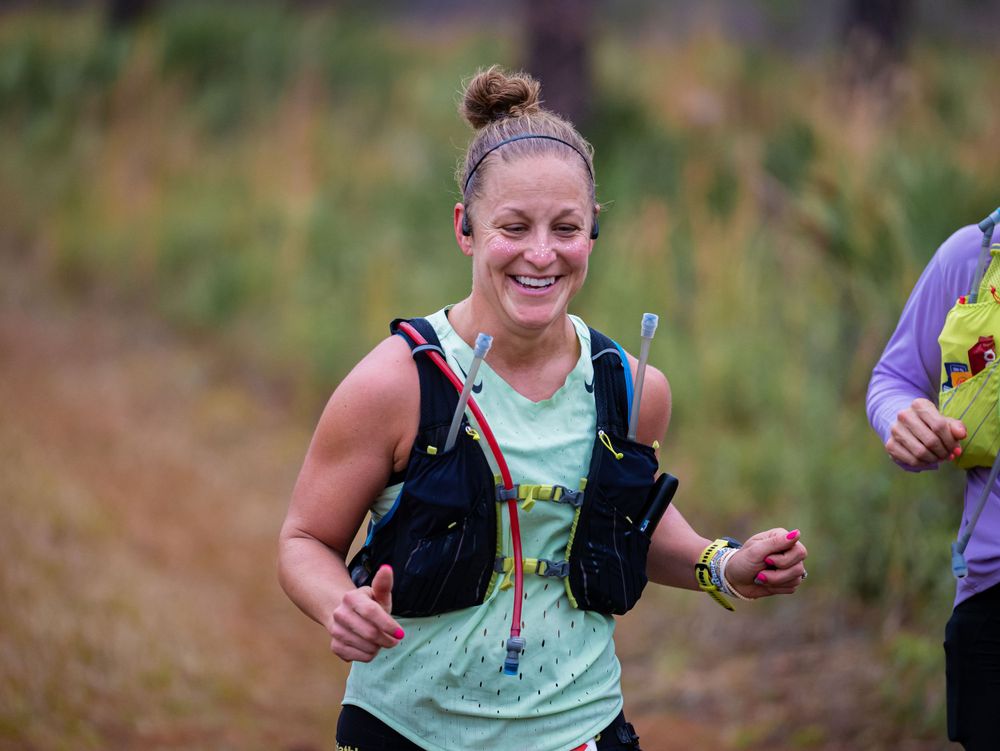
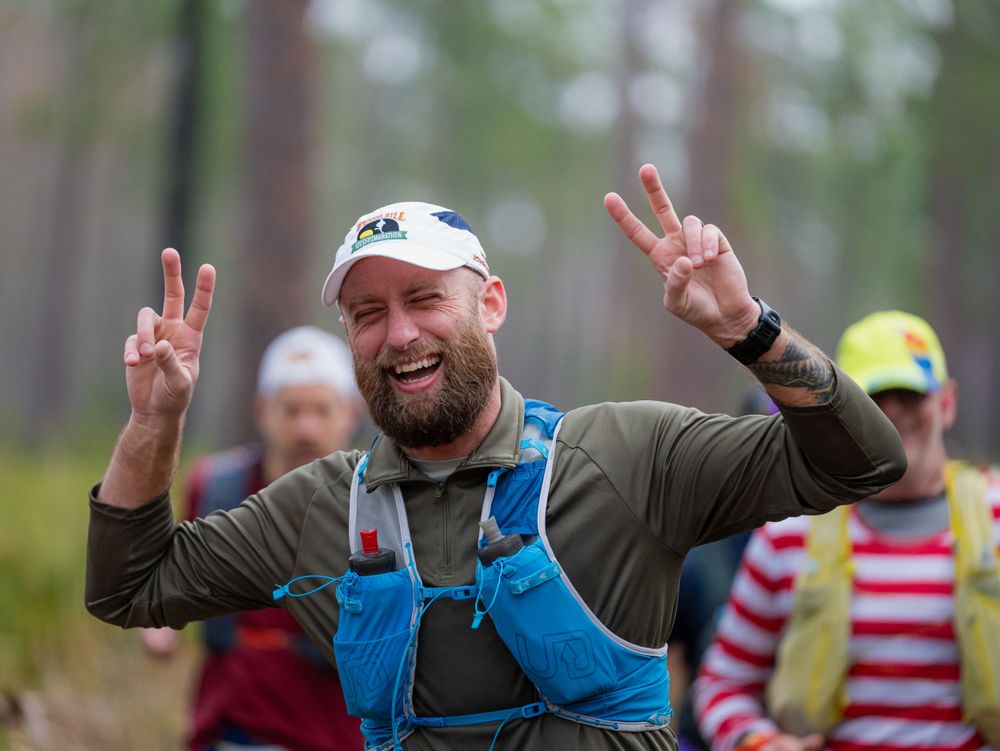
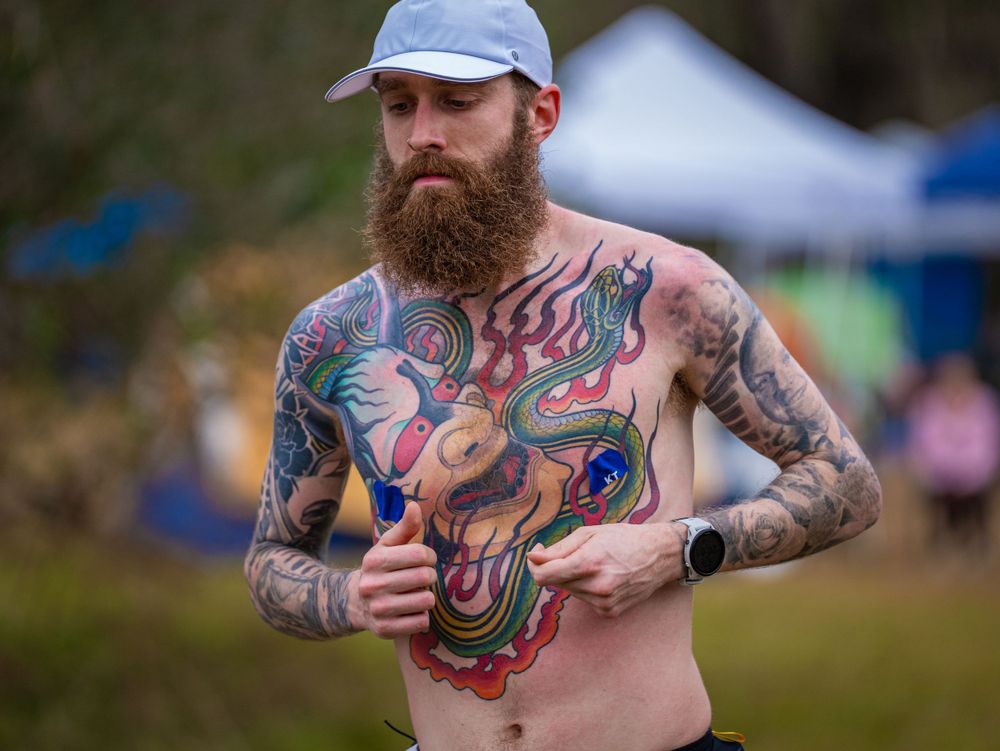
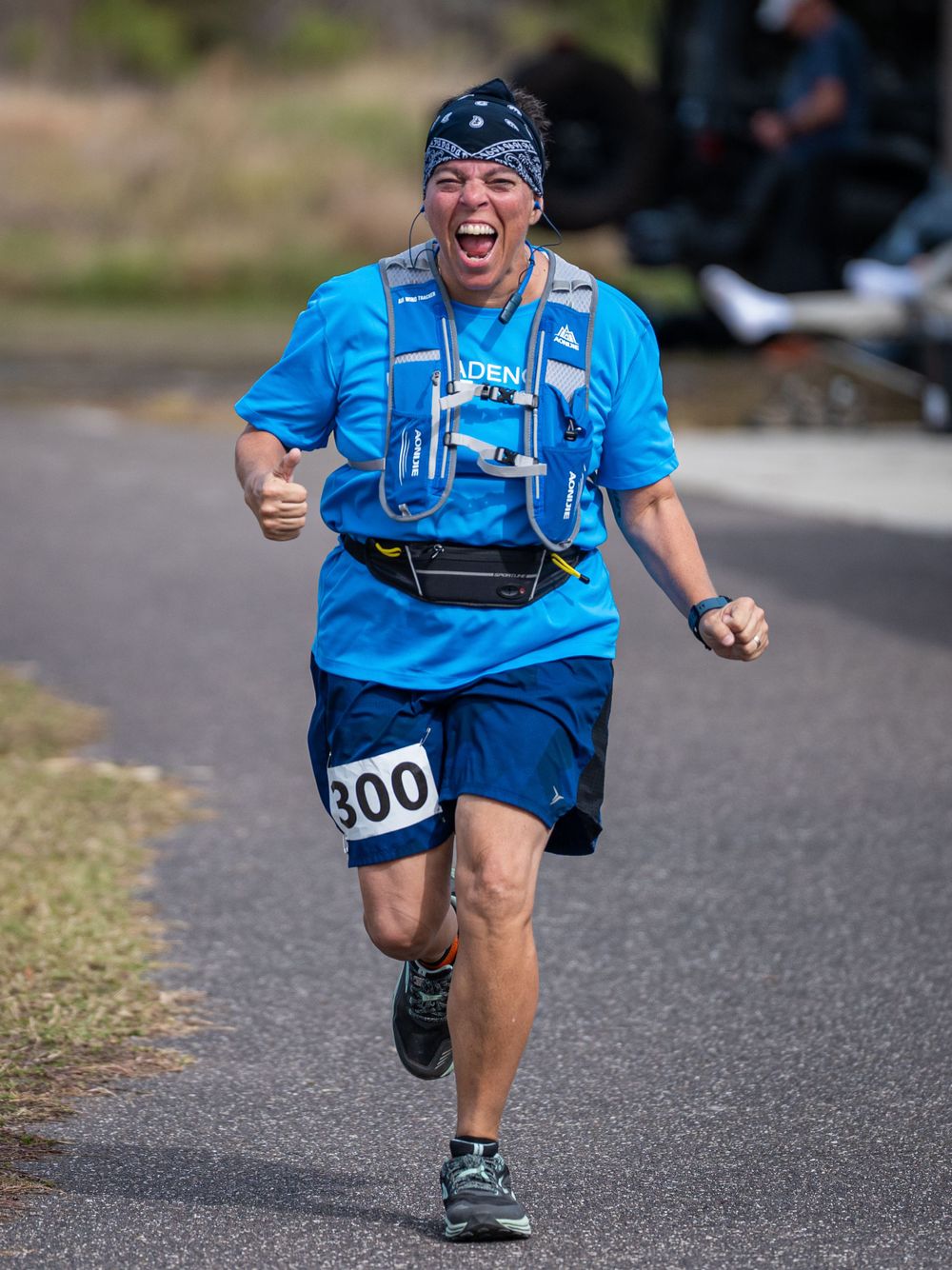
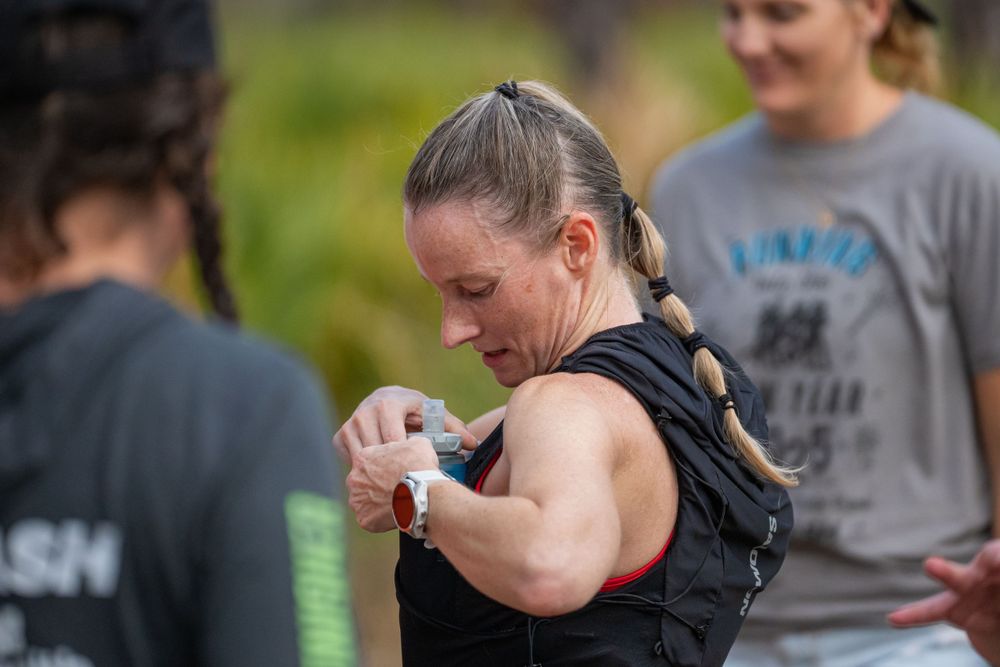
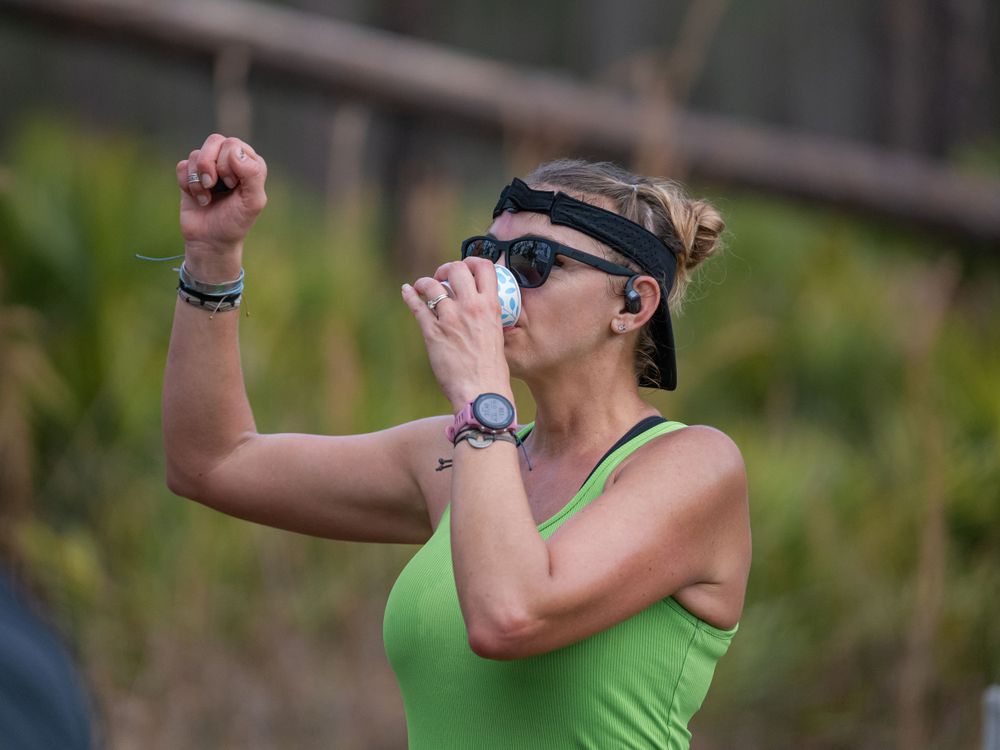
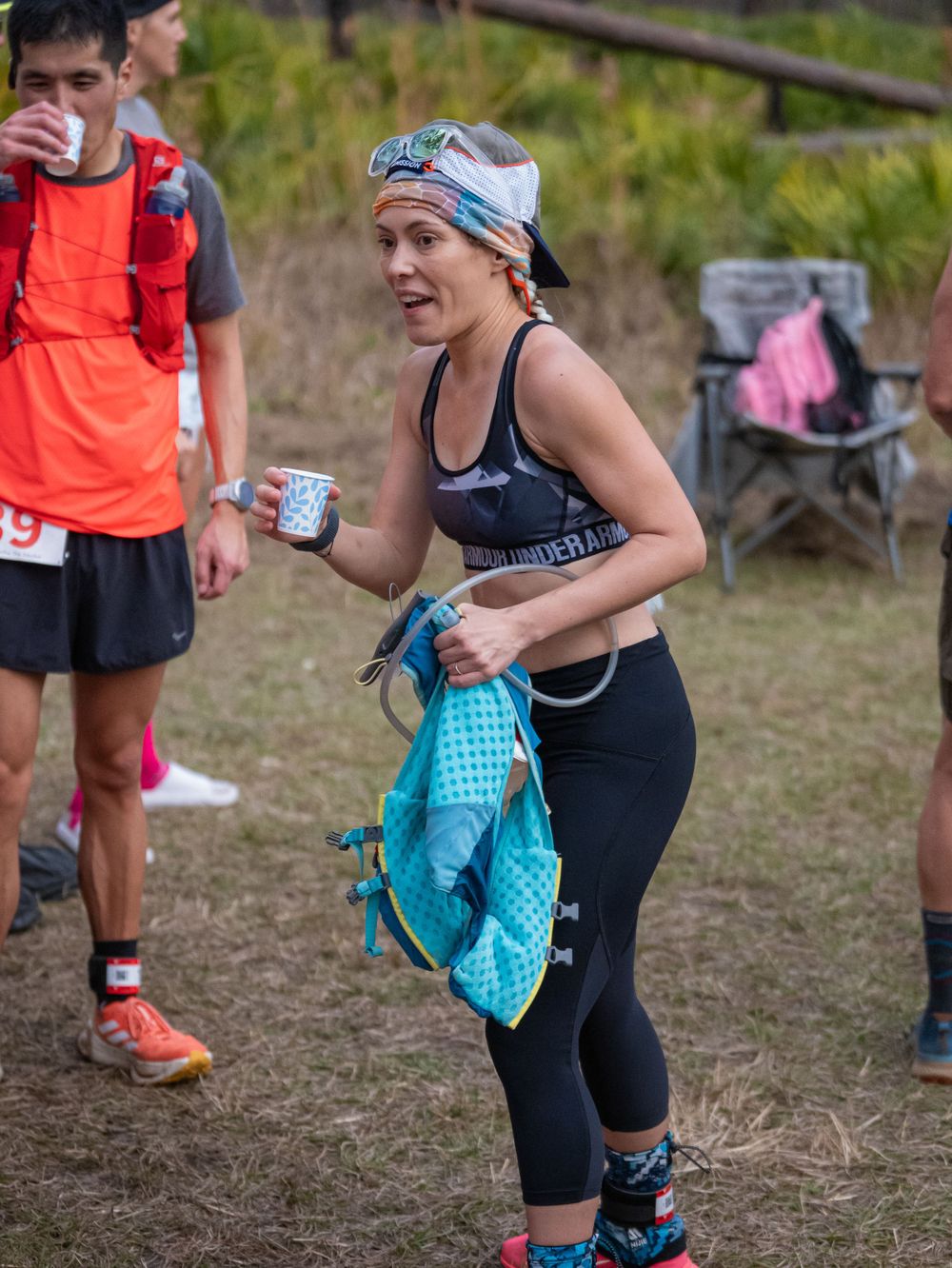
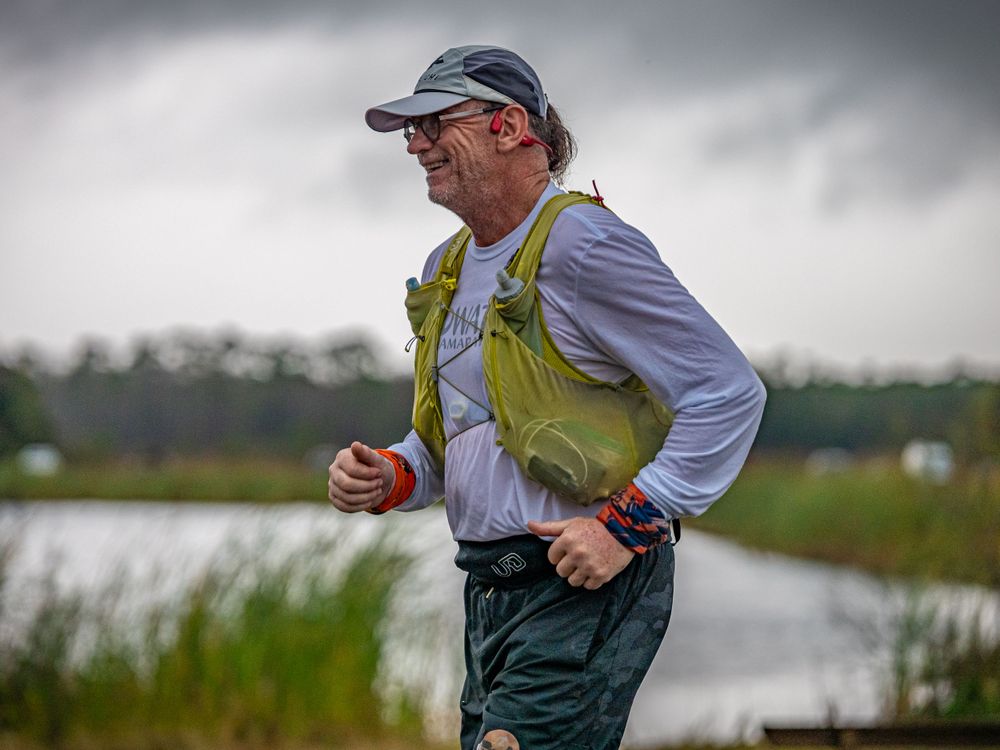
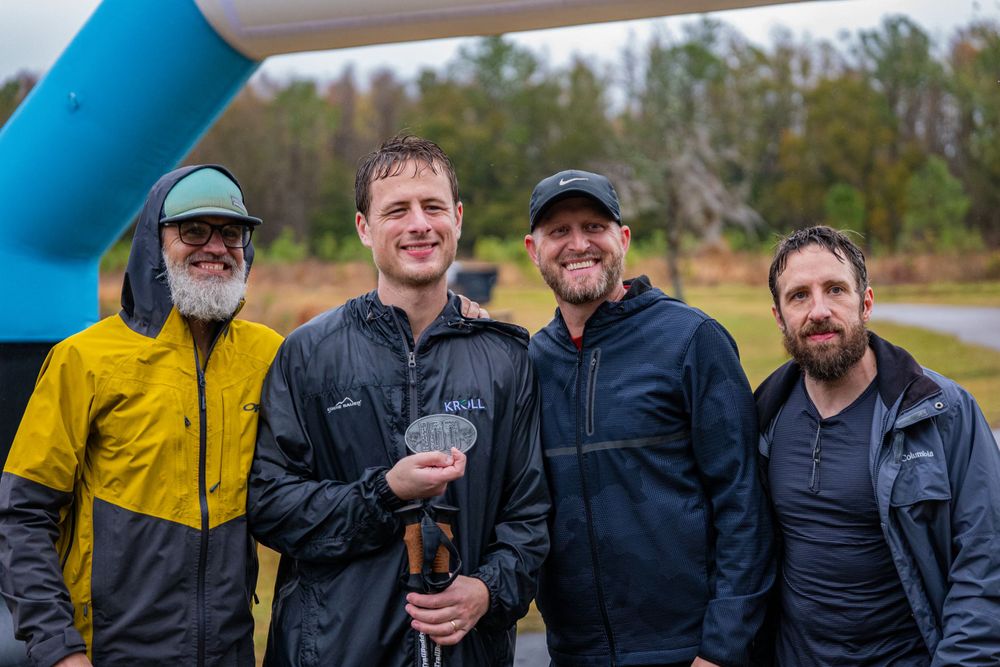
I think my favorite moment of the weekend was this first loop, primarily because all of the athletes were in such good moods. The nerves finally wore off, and personalities were coming out. I had originally hoped to get some candid shots of the runners from behind trees and bushes, but they all spotted me immediately. I had people smiling, flexing, jumping, really milking the camera time, and at first I was disappointed. However, after reviewing some shots, I realized you could feel the excitement emanating out of the photo when the runners were having fun. Sure, the concentrated, determined look showed the intensity of some of the competitors, but my favorites by far were the ones where you could tell they were truly having fun. I had captured unrestrained joy and excitement, and it was incredible. They were the most fun to edit, and the ones that got the best reactions from the viewers.
Lesson Learned #7: Let them have fun
I was so concerned with being incognito, that I almost didn’t appreciate the joy I was capturing. I intended to be a part of the scenery of the race, and it turns out being an attraction incited some amazing responses from the subjects I was capturing. I learned that it’s great capturing the candid and personal moments, but it’s also great to be a focal point of your subject’s attention.
Back to the beginning
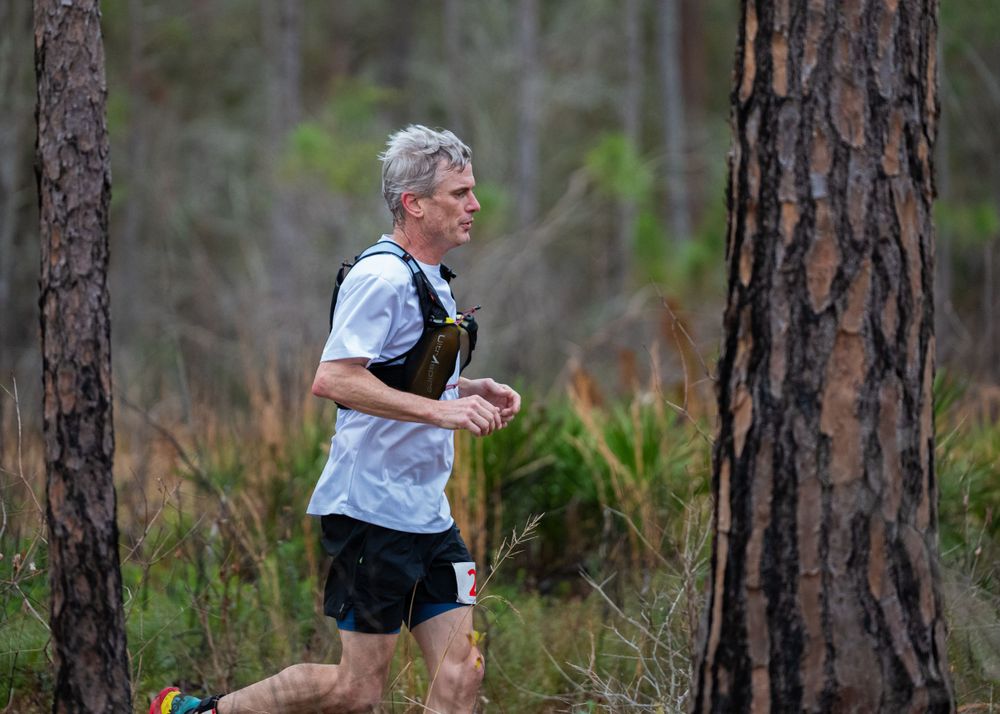
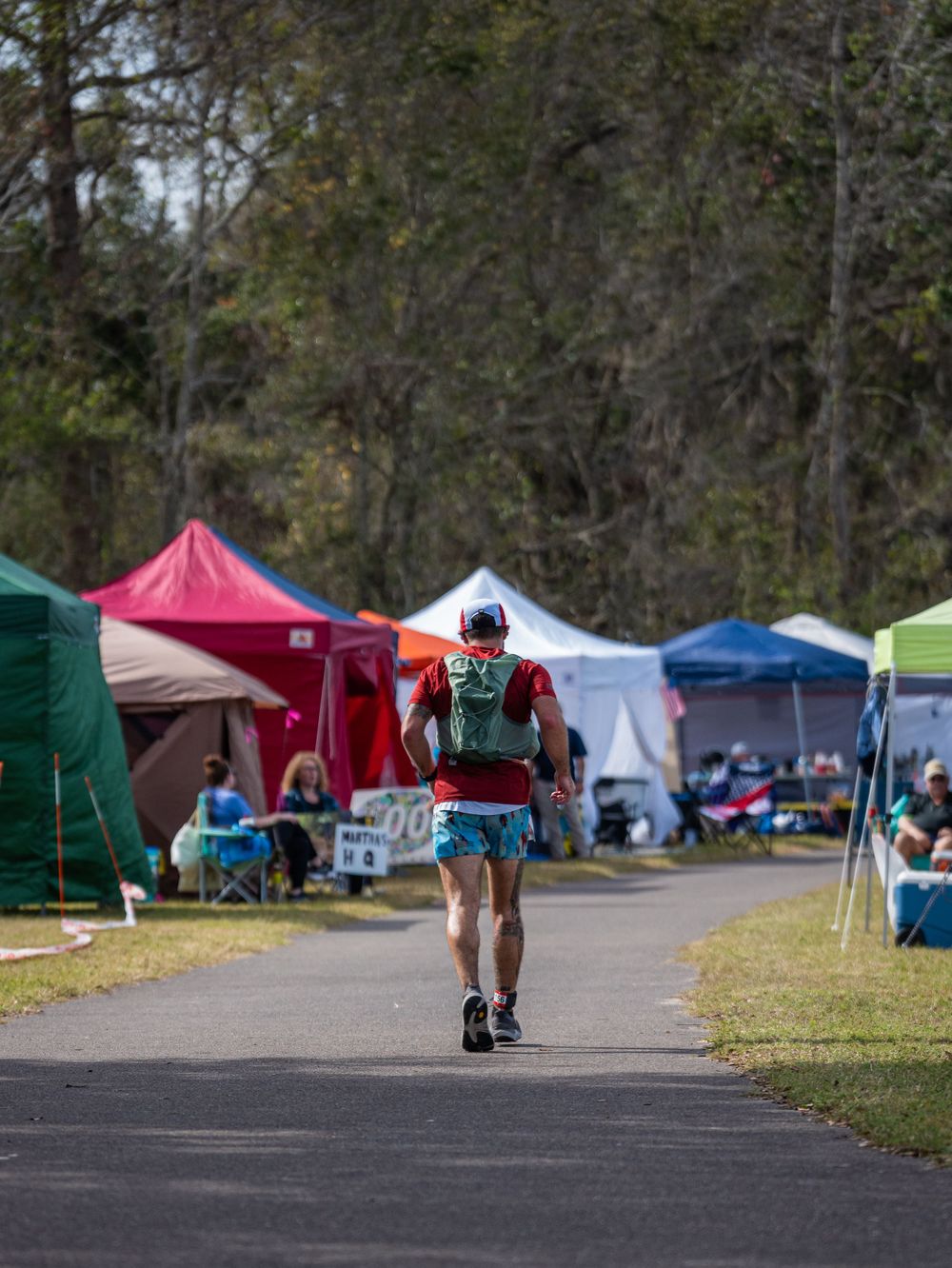
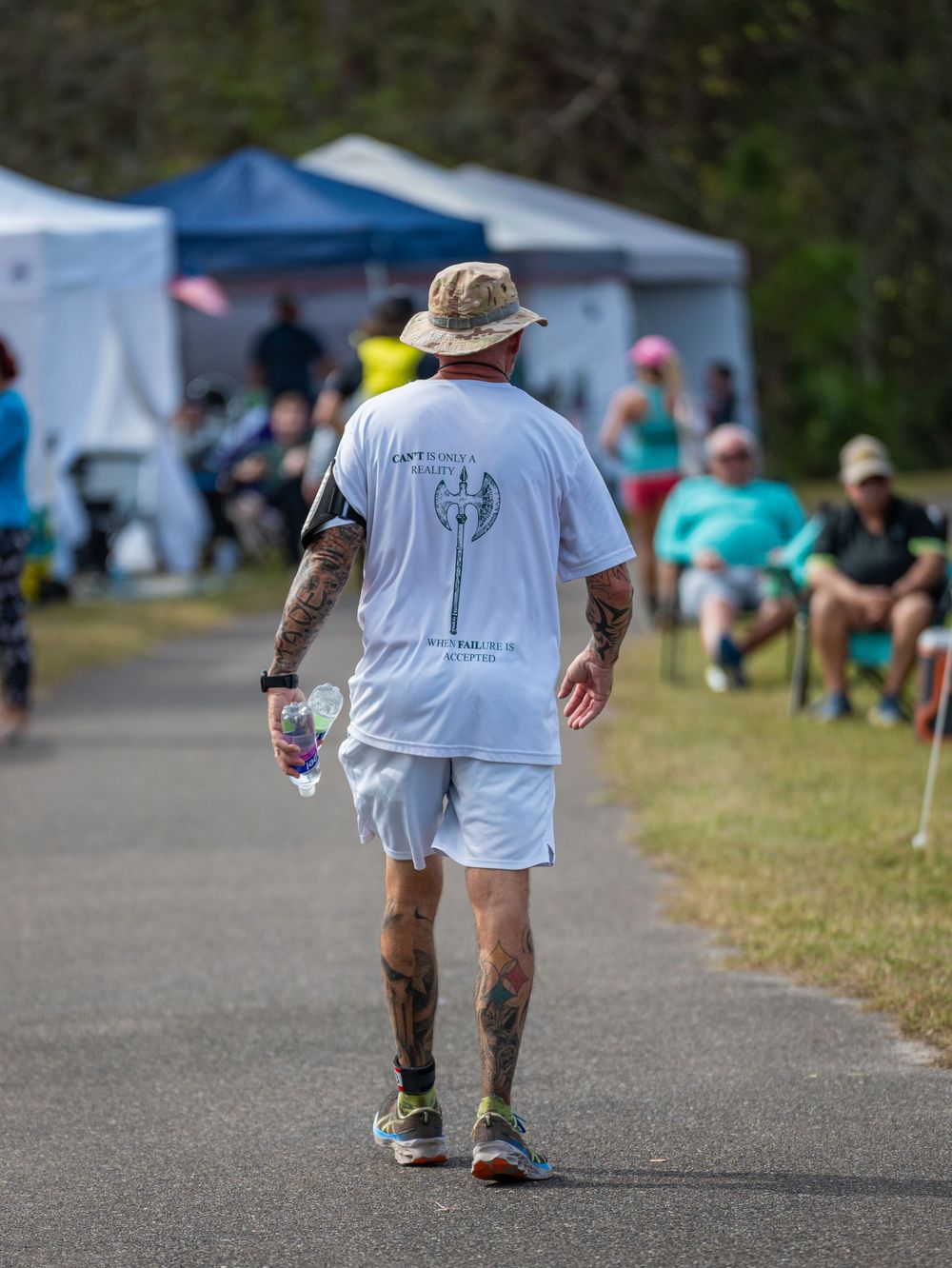
At this point I had walked roughly 5 miles with my gear and captured some amazing shots. 5 miles seems short, but considering I was stopping every hundred yards for pics and carrying way too much gear, this took me a few hours, and it honestly felt like I had walked 10+ miles. I took some shots at the aid station which the loop was centered around, which turned out great, but soon the field of runners slimmed in this area, and I had to move on to optimize my time.
Though the course is a 16 mile “loop” and there were over 200 runners, at this early in the race there was still a tight “grouping” and I had about an hour or two before runners came back by this location. The longer a race like this goes on, the more spread out the field becomes, and it’s not uncommon to spend many miles seeing a single runner. I decided to make my way to the main hub and capture some pictures of the runners passing by the start/finish line, as they would still be relatively close and I wouldn’t have to go long between shots.
The main hub area proved to be decent for shots, but after loop 1 out of 6 no one was really jumping for joy as they crossed the timing mats, instead focusing on the remaining 5 laps they had to complete. I took a few decent shots here, but for the most part I wasn’t getting anything that “wowed” me, so I decided to hike the 2.5 miles out to another of the aid stations where I knew the energy would be high.
The second hike
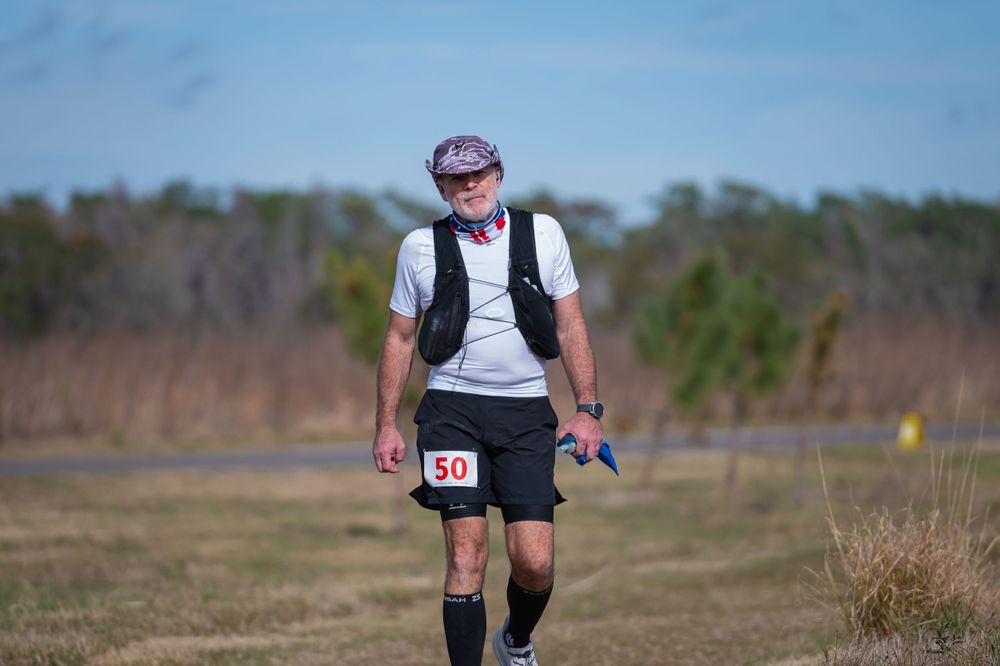
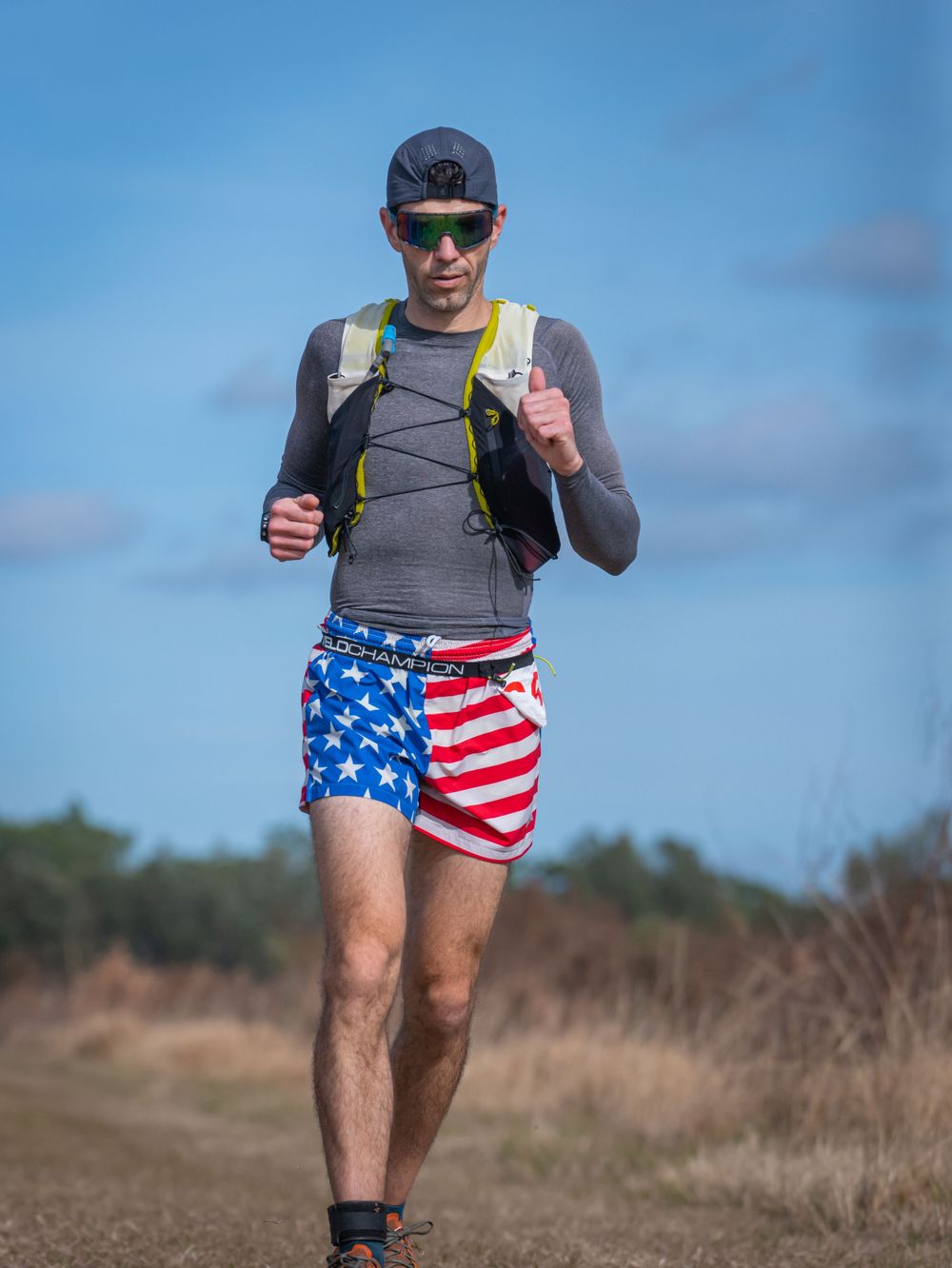
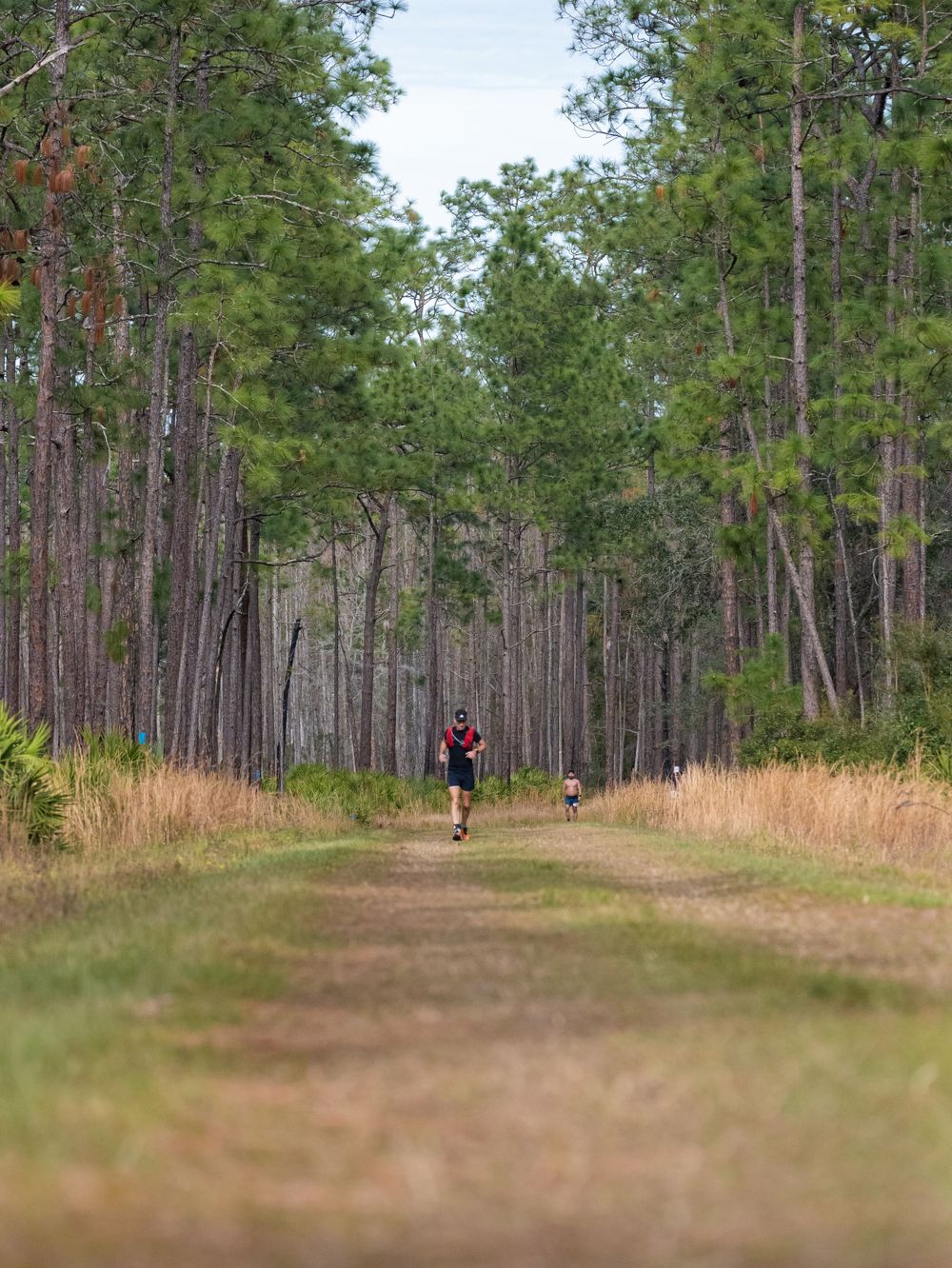
The walk out to the aid station took me through a section that had almost no tree cover, and I was able to get some amazing shots that showed the scope of the trail. While the towering tree and saw palmettos proved to be amazing set pieces, seeing the vast sky with the treeline in the background was a great contrast that highlighted the course in its entirety. It was also the only time of the day that was not overcast, so getting a little extra color in my photos was definitely welcomed as well!
Again, not having my bike allowed me to slow down and get shots I would have passed up. While I wasn’t covering as much of the course as quickly as I wanted, it gave me the opportunity to capture moments I would have passed by instead of speeding directly to the aid station. Walking with camera in hand allowed me to be very responsive to the different runners, and I think this allowed me to capture more subjects with a higher variety of shots for each. As a single shooter I was very concerned with having a good variety, so even though this 2.5 miles took way longer than intended, I believe it was worth it given the final product.
Boots and Saddles Aid Station - Afternoon
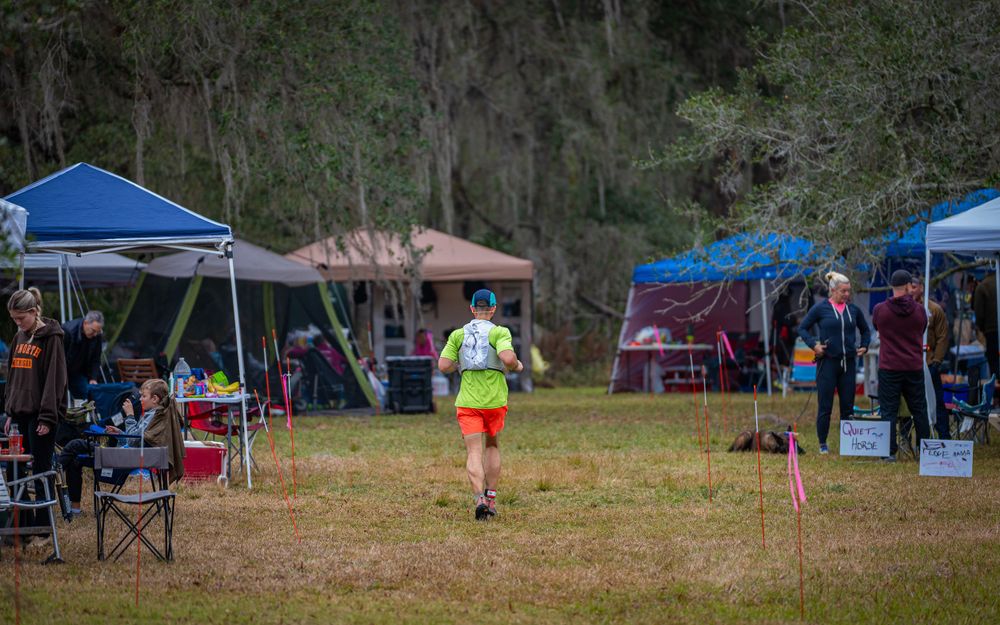
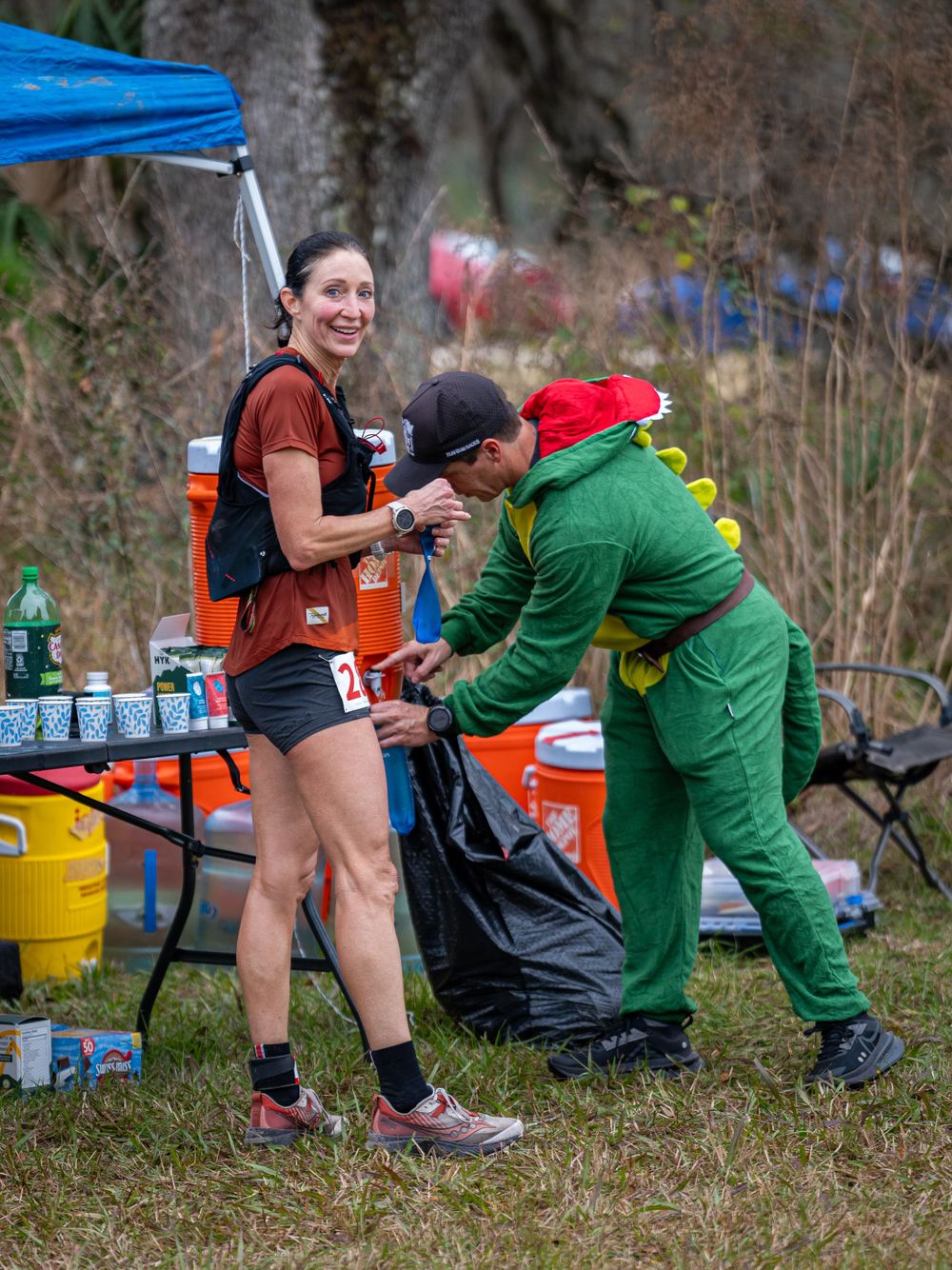
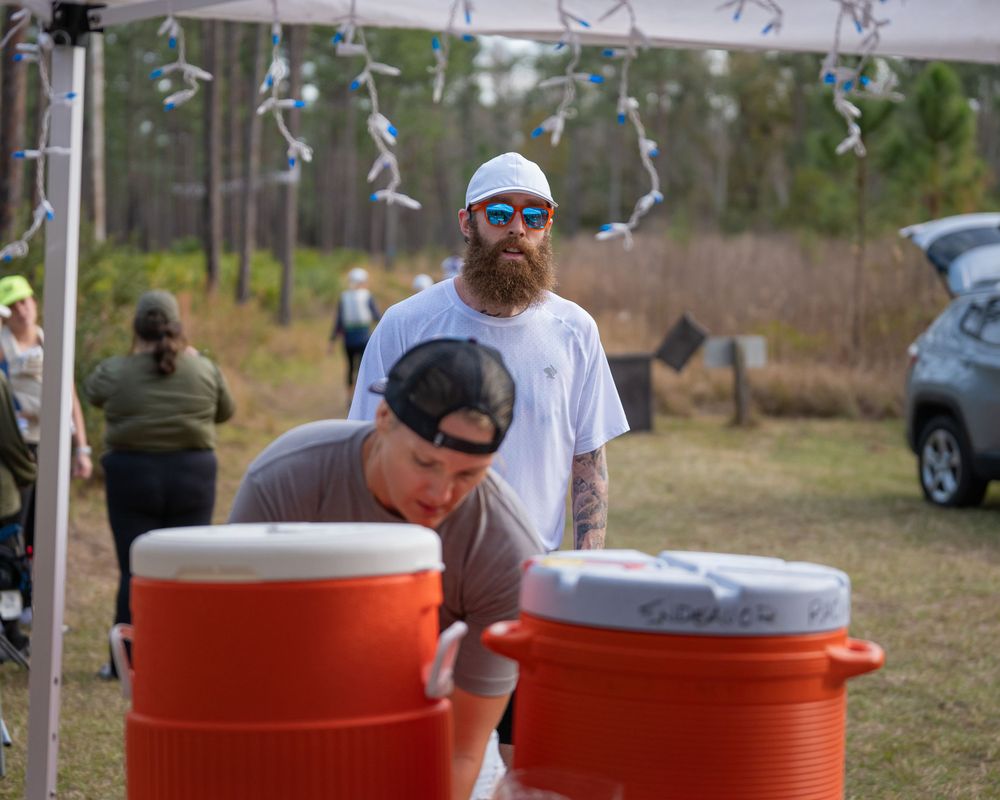
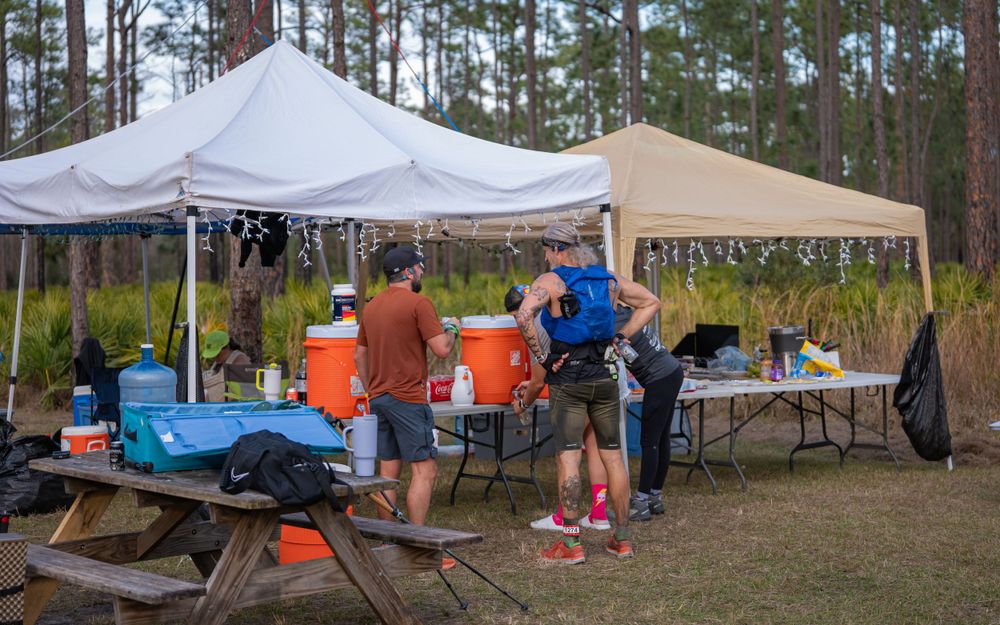
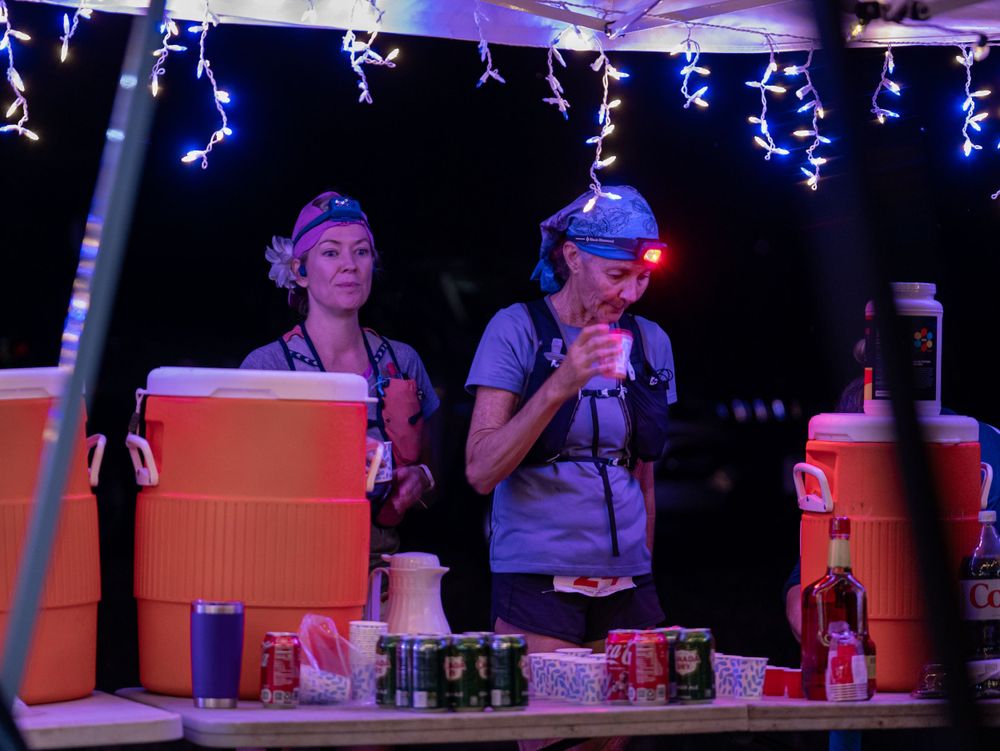
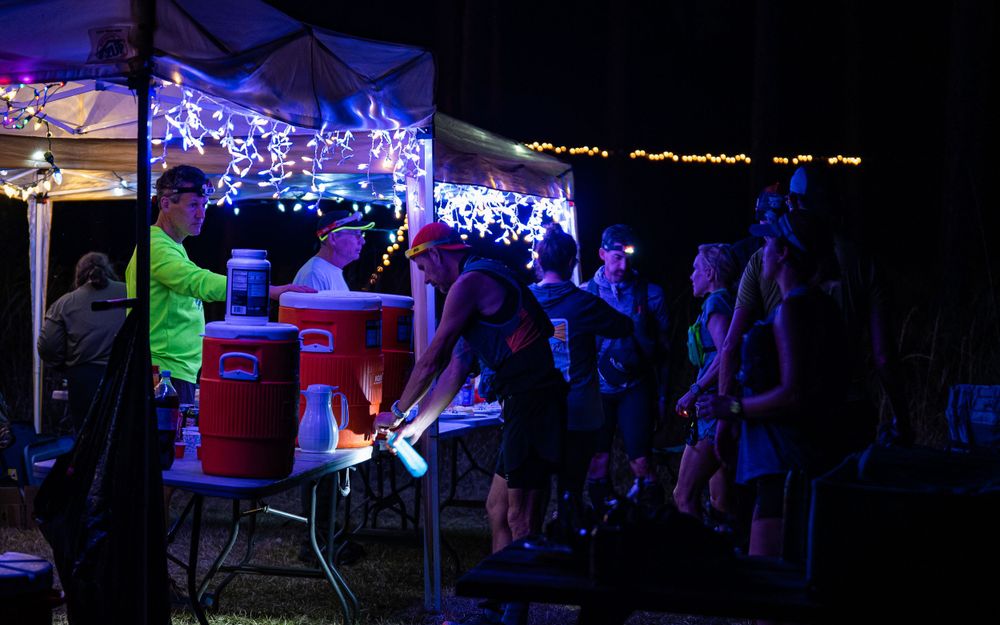
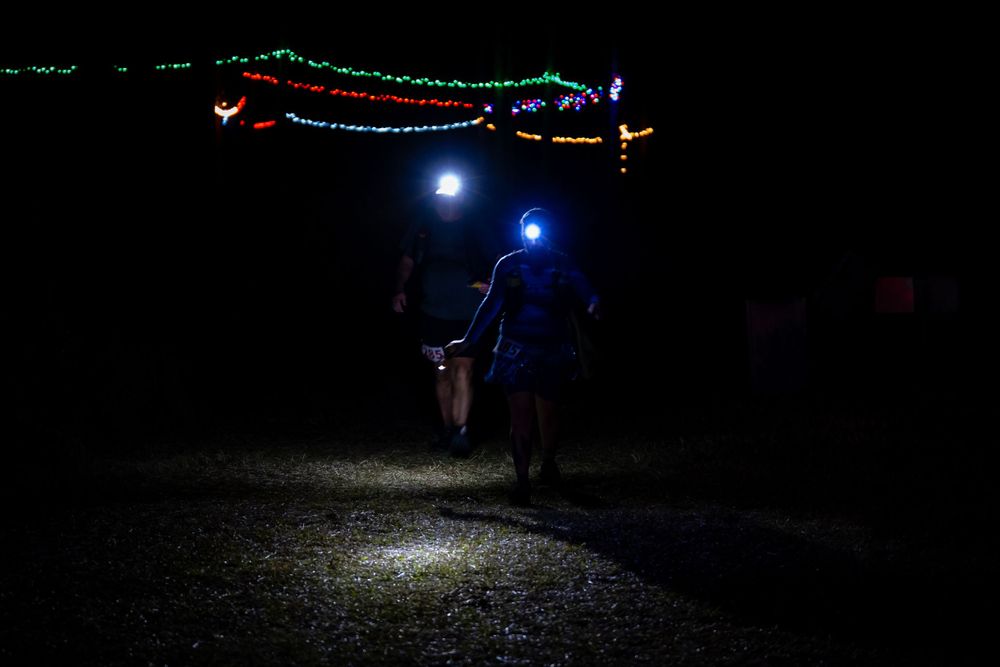
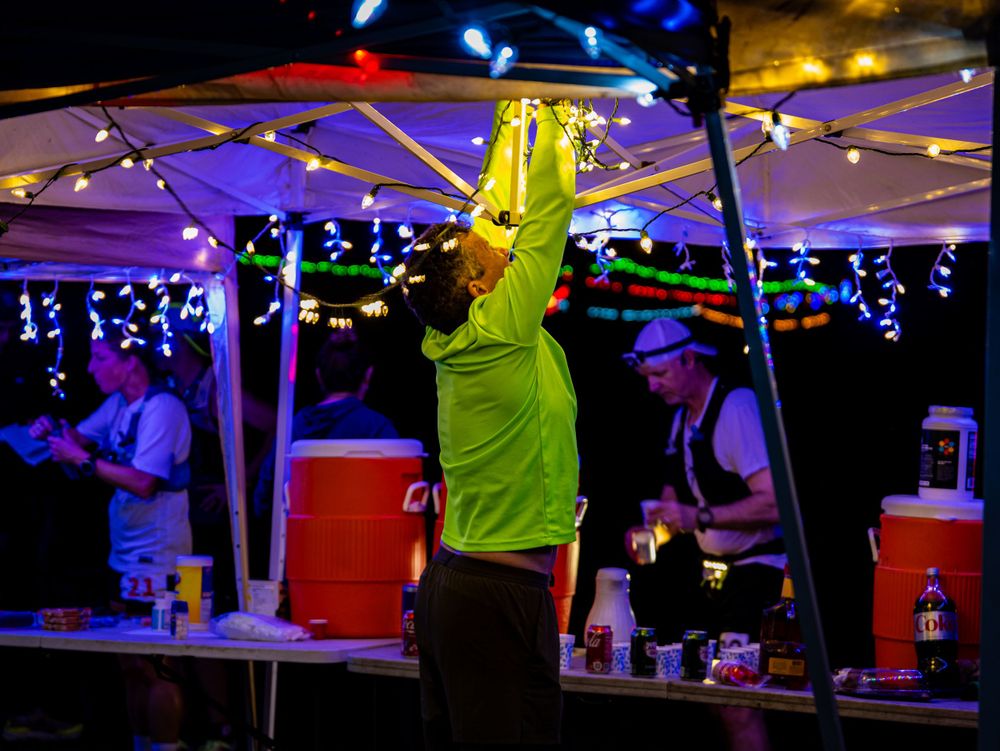
Boots and Saddles aid station was run by Andy, and it’s the highlight of the race during the day and especially at night. Andy does a good job hyping the runners up and getting them moving, so I was able to capture some great shots of the volunteers assisting struggling runners and encouraging the more capable ones to push harder. The real highlight of this aid station is the Christmas lights and music that spring up after sundown, so I began planning the evening and nighttime schedule to ensure I could capture those moments.
After some time here I caught a ride back to the main hub with someone doing a supply drop, packed my night equipment, and killed some time taking a few more photos of the runners at the start/finish area.
Boots and Saddles – Night
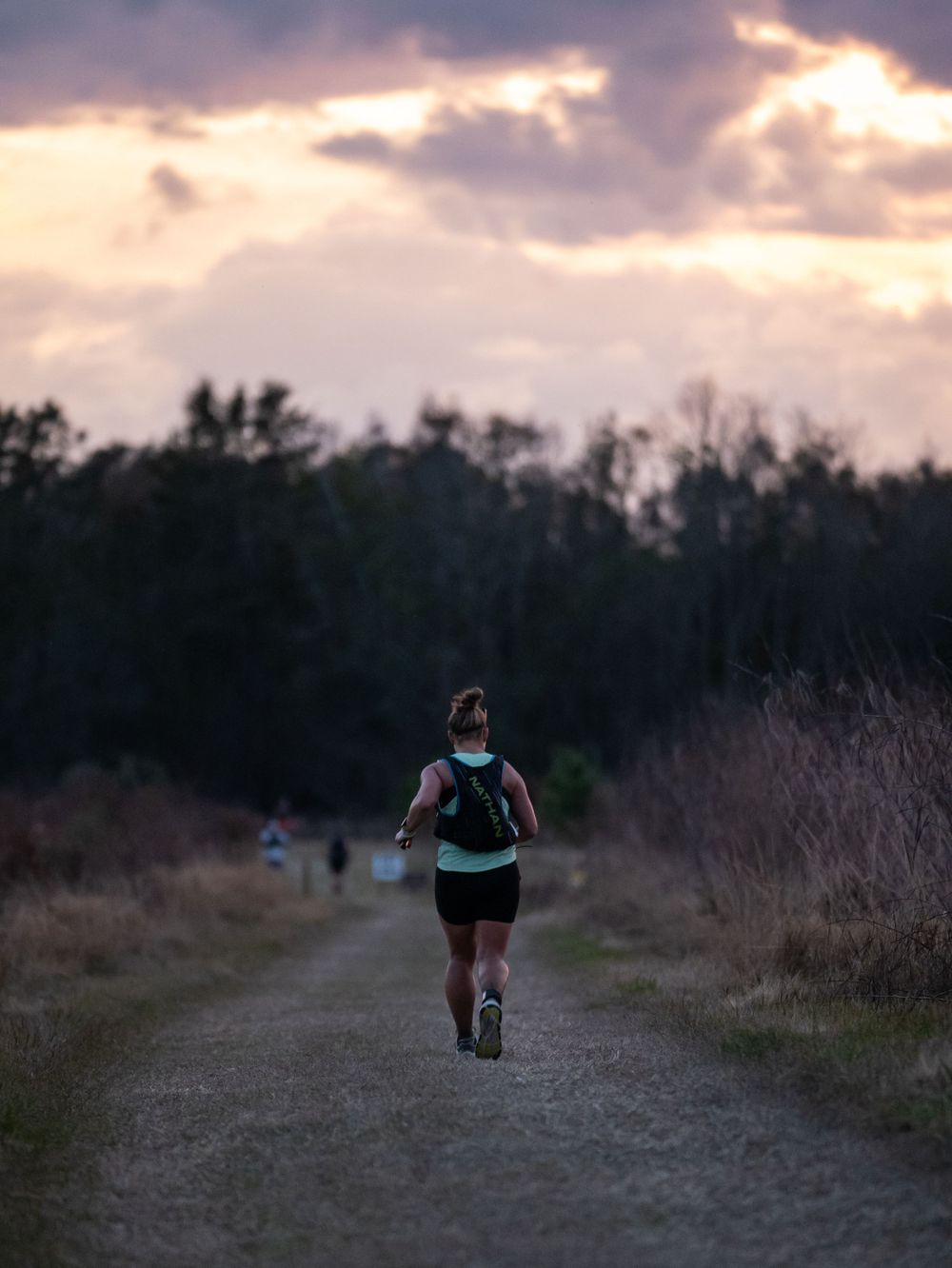
I had planned on getting a ride back out to Boots and Saddles, but my ride left without me. A little frustrated I missed this opportunity, I sucked it up and began trekking back to the aid station, dedicated to covering the 2.5 miles faster than the first time where I was stopping and taking pics of every runner. The befit of this, again, was that I captured some shots I would have missed. Though I didn’t get a large number of photos, the ones I captured during golden hour were great and I’m thankful for them. The contrast of the beautiful sunset with the tired runners, face showing concern for the inevitable nightfall, were some of my favorites.
Boots and Saddles at was just as I expected, and I was able to capture some decent shots of the aid station and the lights. My biggest regret is that I didn’t swap to one of my prime lenses, as I really struggled with the low light and capturing the whole scene. Slapping my 35mm f/1.8 would have produced better, more wide shots, so while I was happy with what I got it could have been far better. I also neglected, again, to set up my portable light. I have no excuse why I didn’t, and my lesson learned here is to not be so darn lazy!
Lesson Learned #8: Don’t rush!
I’m sure this is just a rewording of a previous “lesson learned”, but damn it I need to mention it. I was in such a hurry to get to the aid station that I skipped some amazing shots of “golden hour”. The lighting was incredible, and I think with some thought I could have captured some amazing scenes. And the worst part is it’s not like I was pressed for time, because I had all night to capture shots at the aid station. All things considered it was that bad of a mistake because we were already on plan B with the broken down bike, so I won’t be too hard on myself.
The Winner
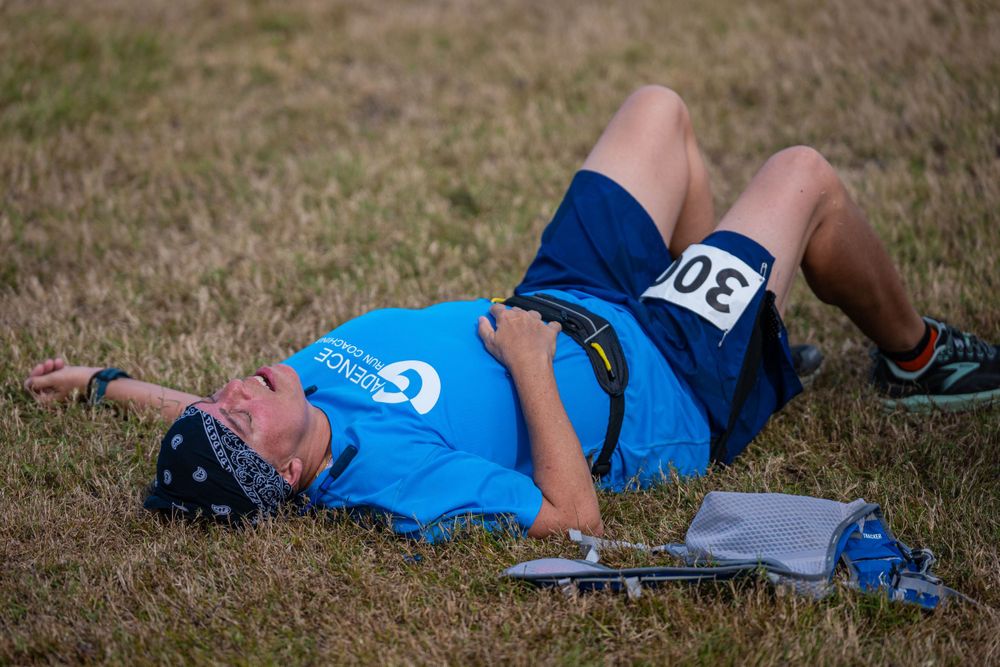
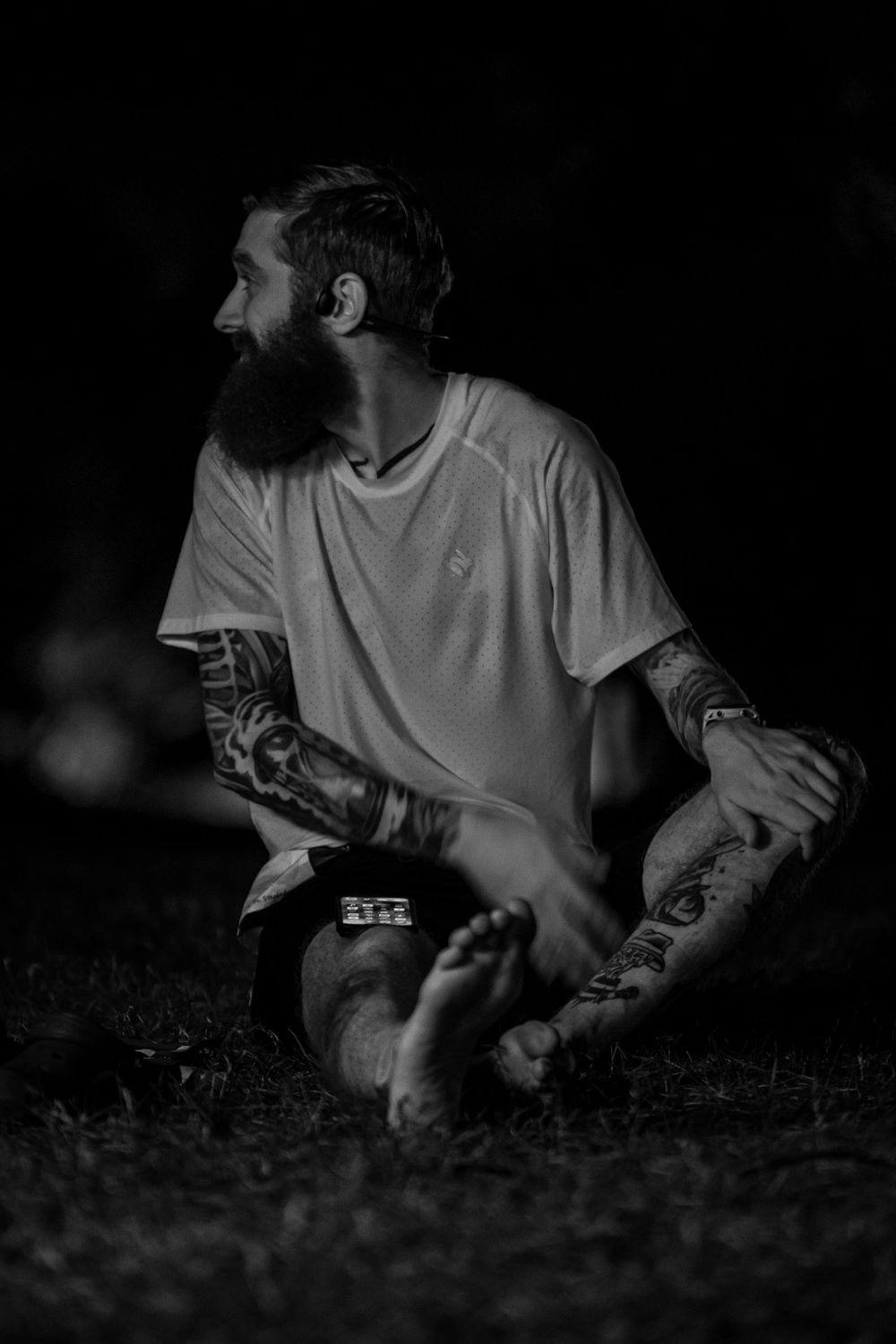
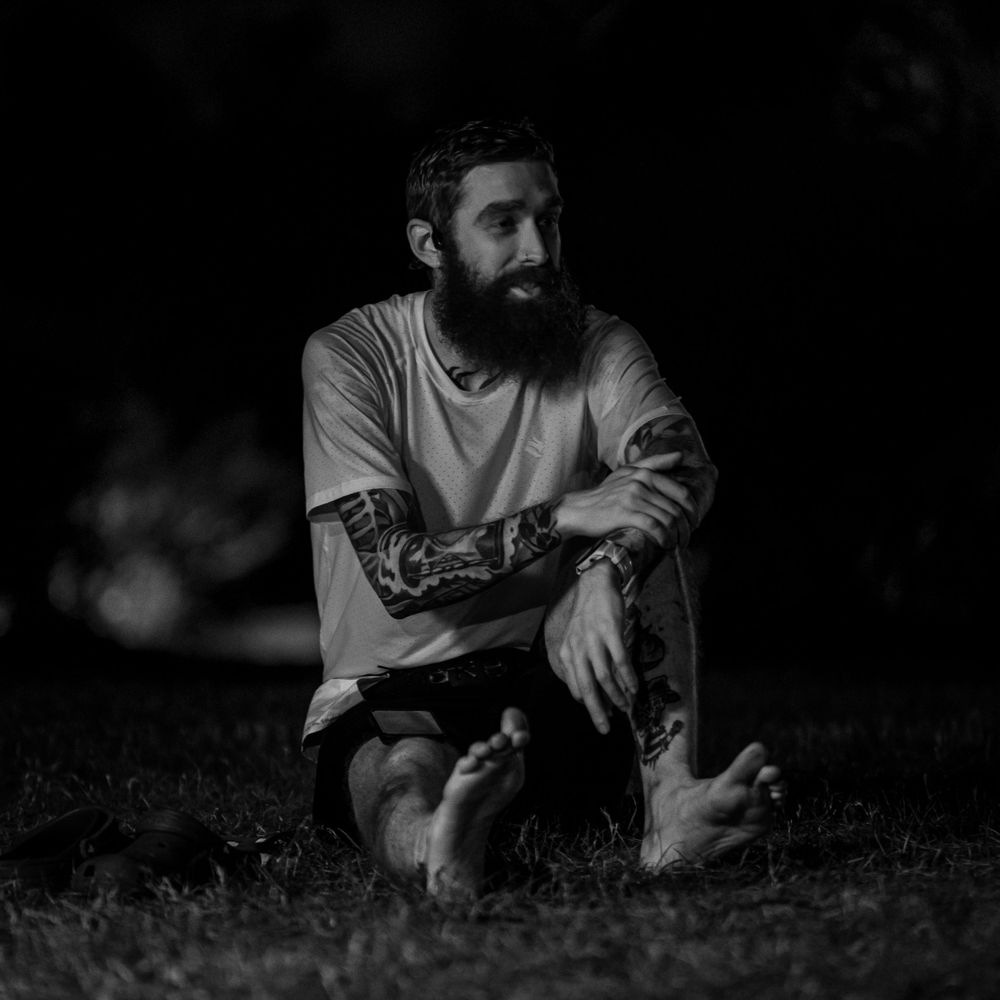
After some time spent out on the field, I had to get back and capture the first finisher. By this point I was feeling exhausted. I did not anticipate how much of a toll on my body and mind a shoot like this would take… emphasis on the mind. Stressing over shots and constantly being aware of runners and finding the best locations was far tougher than expected, so before the first runner crossed the finish line I laid down directly next to the finish line on a sleeping pad and took a nap, only to be awakened shortly by cheers as he approached the finish line.
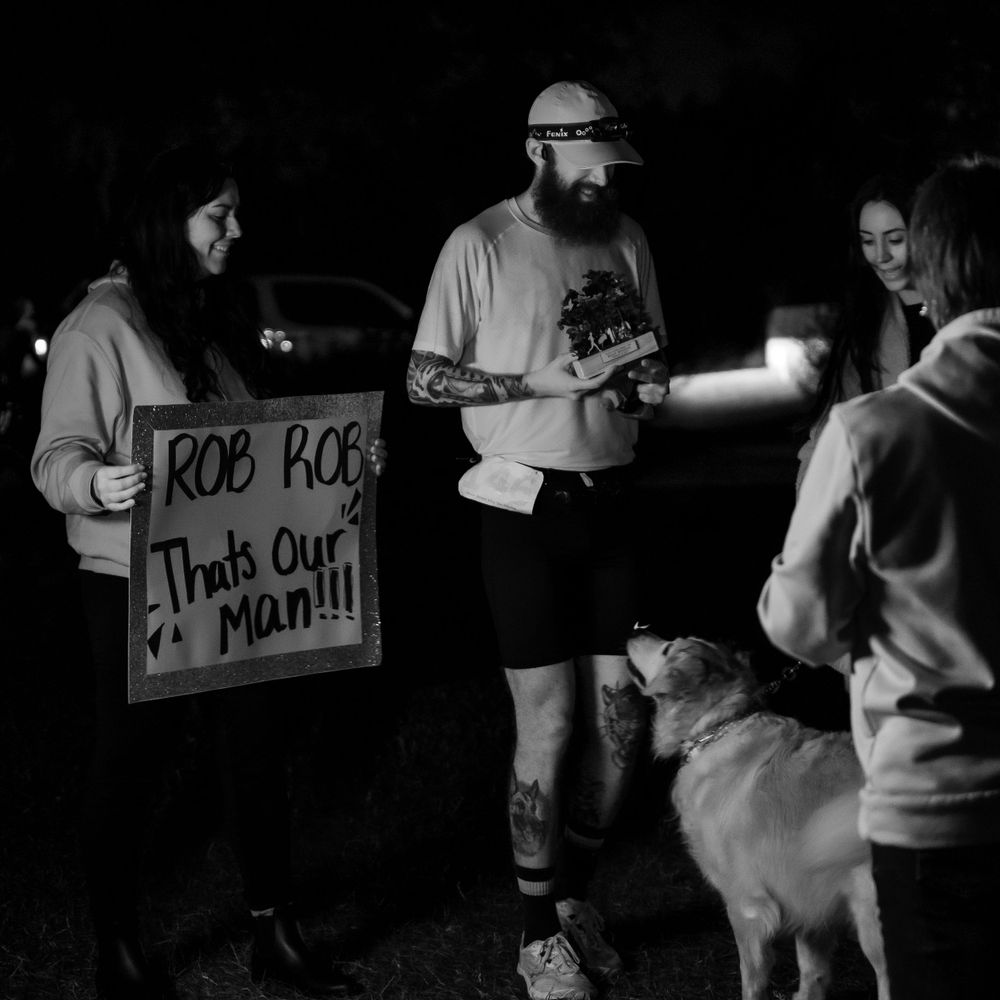
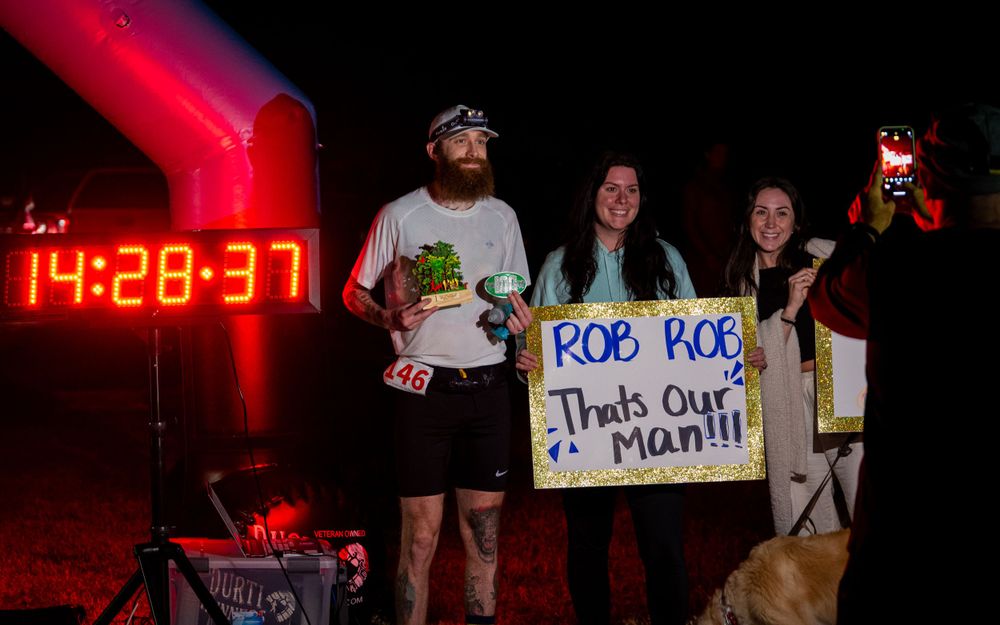
These shots were tough to capture as night had set, but the red light cast by the timing clock provided some interesting colors and light, and I like how they turned out, especially the black and white ones. Again, not going to list a “lessons learned”, but proper lighting would have gone a long way. I’m looking into getting a flash set-up, but at the very least a headlamp, portable light, or anything would have helped a bit.
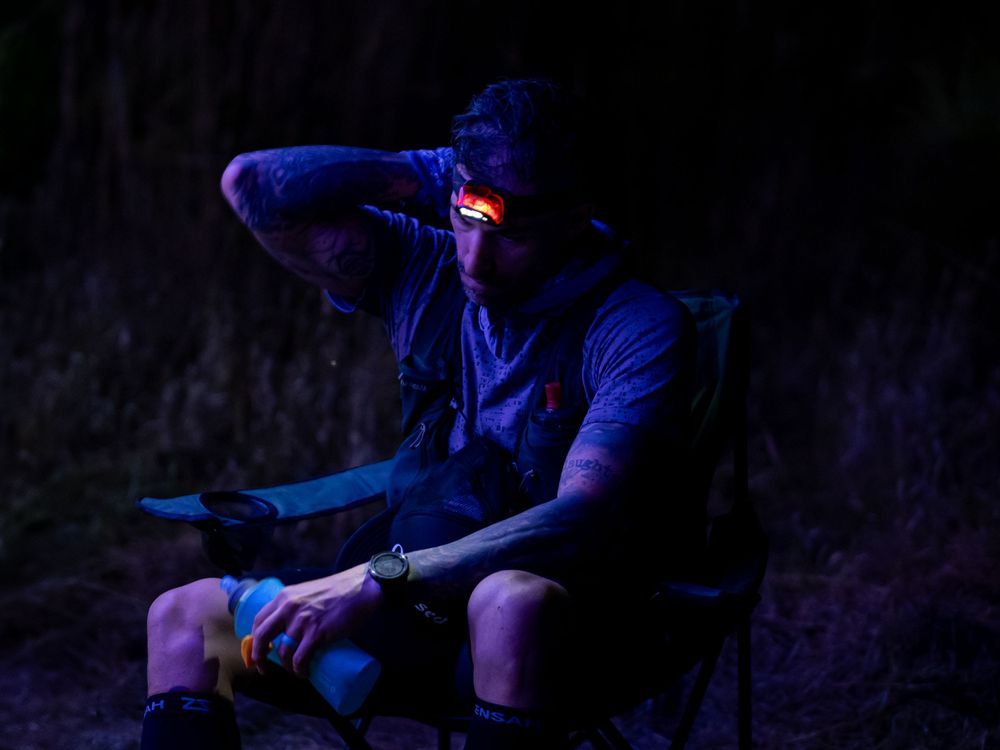
After this I was absolutely wiped, so I decided to nap in my car for a few hours. I had intended to be up all night, but the course was dark, and the runners spread out in such a way that any shots I had planned on getting at night wouldn’t have turned out that great. If more runners were grouped II could have captured shots with multiple headlamps lighting up the trail and fellow runners, and honestly with a little work I probably could have captured a handful of shots like this if I were to walk the course again, but a handful of shots versus sleep was an easy choice. I also could have gone to another aid station, set up a light, and gotten more pics, but again I lacked the energy and was declining quickly.
Lesson Learned #9: Take a nap
If I want to advertise myself as a “full event shooter” of multiday events, I need to plan sleep. There were a few occasions during the day where I could have snagged an hour or two nap here and there, and this would have allowed me to push further into the night. I was so caught up in the moment and had FOMO that I did not take advantage of these tiny windows, and it resulted in me missing out of some potentially cool shoots.
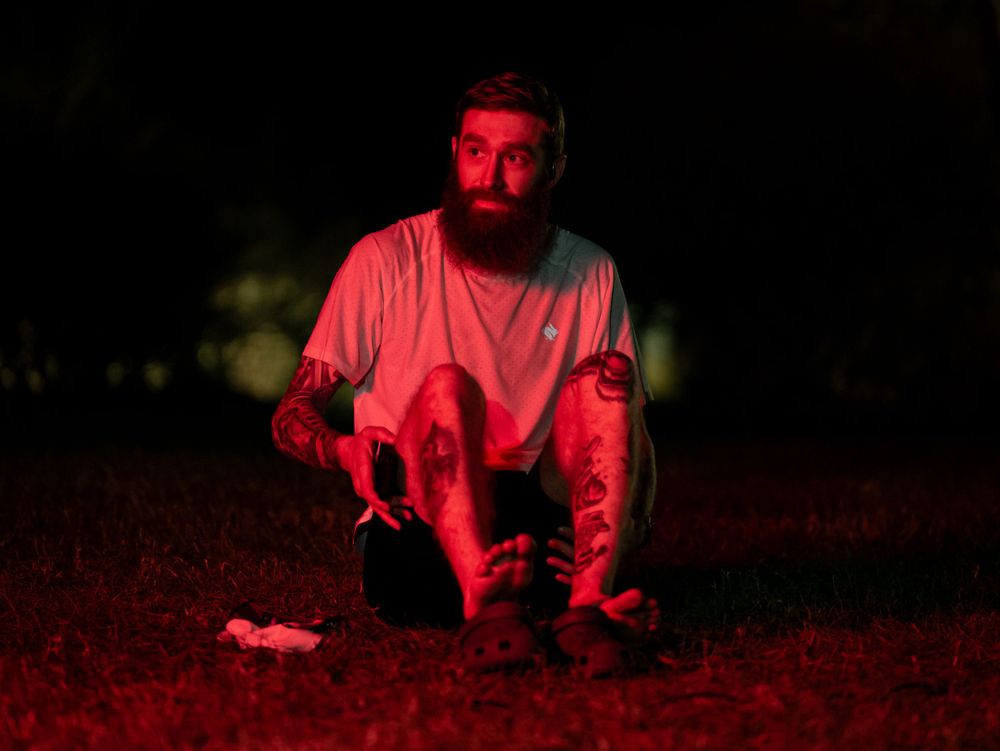
24 hours
Whoa! Didn’t intend to sleep 9 hours, but I needed it. I had just missed the 24-hour mark, and I knew I missed a good number of finishers, but with the sub optimal shooting conditions I don’t think I missed much. I still have regrets I didn’t push myself and capture those moments, because even a handful of pics would be better than nothing, so perhaps I could have planned a nape for the previous day and worked through it. Alas, I didn’t get the shots, and I’m not going to stress over it because the shots I did get the rest of the day were great.
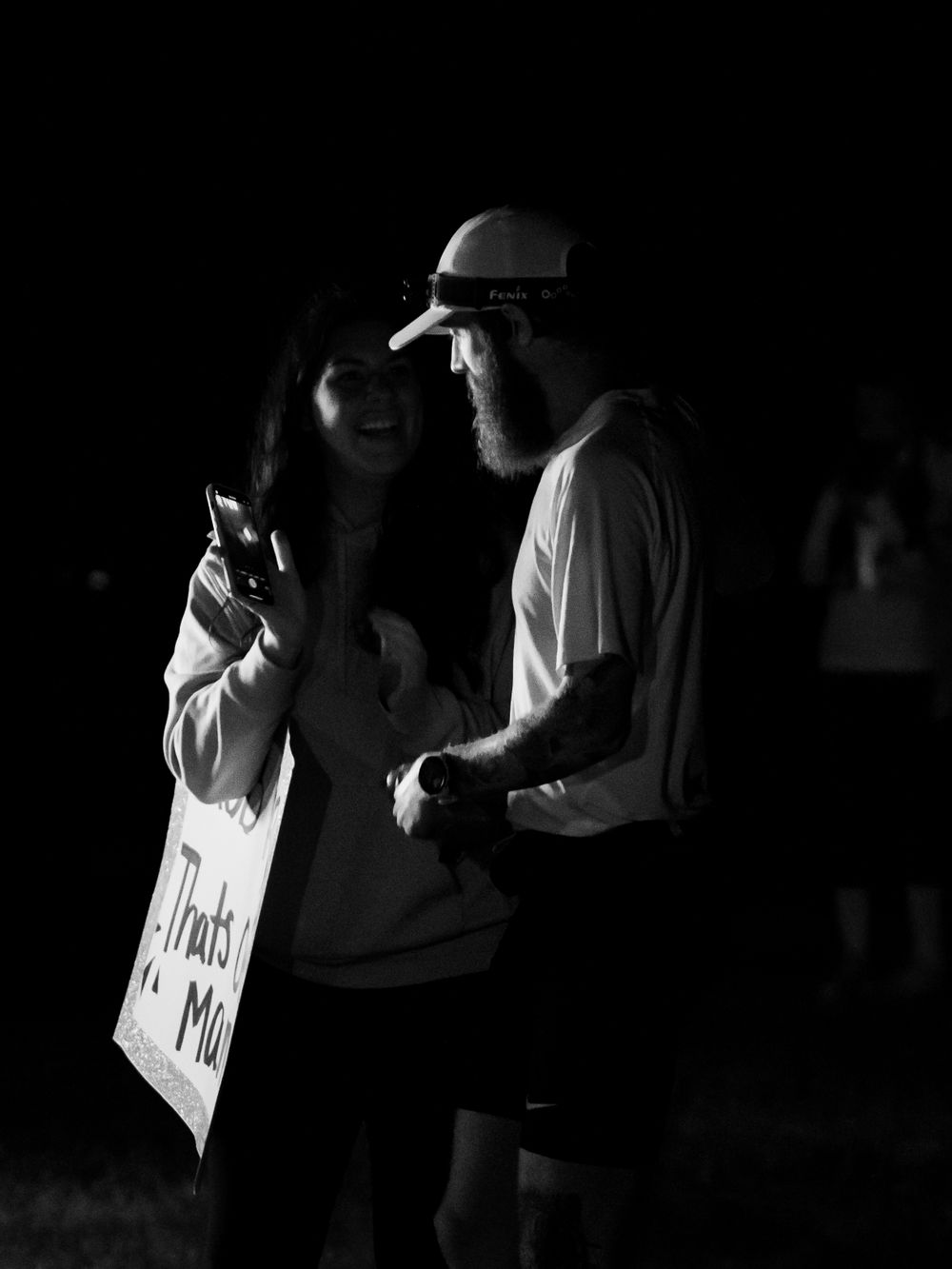
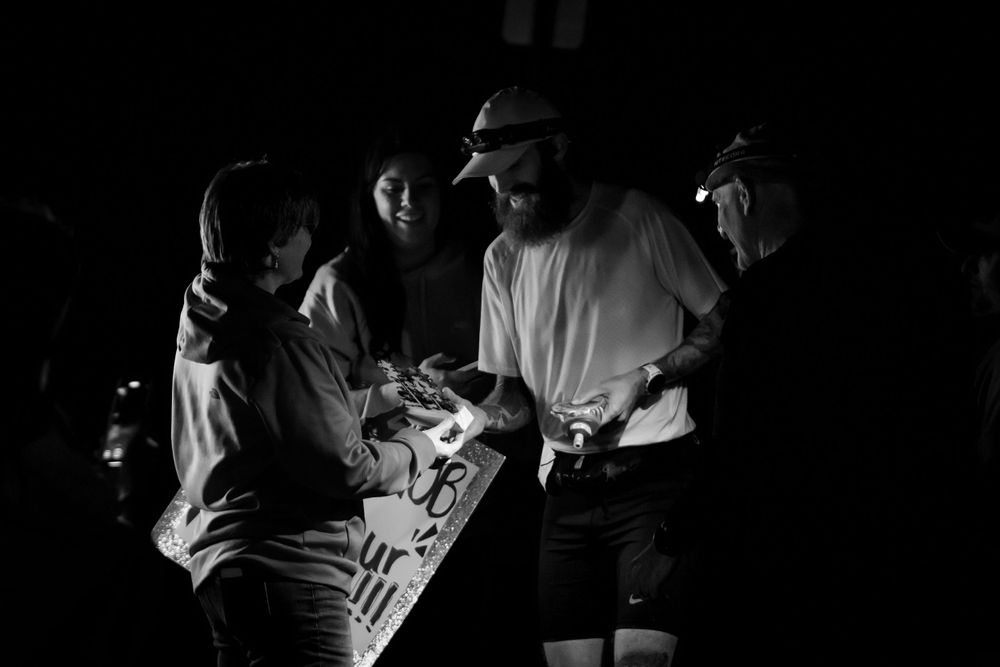
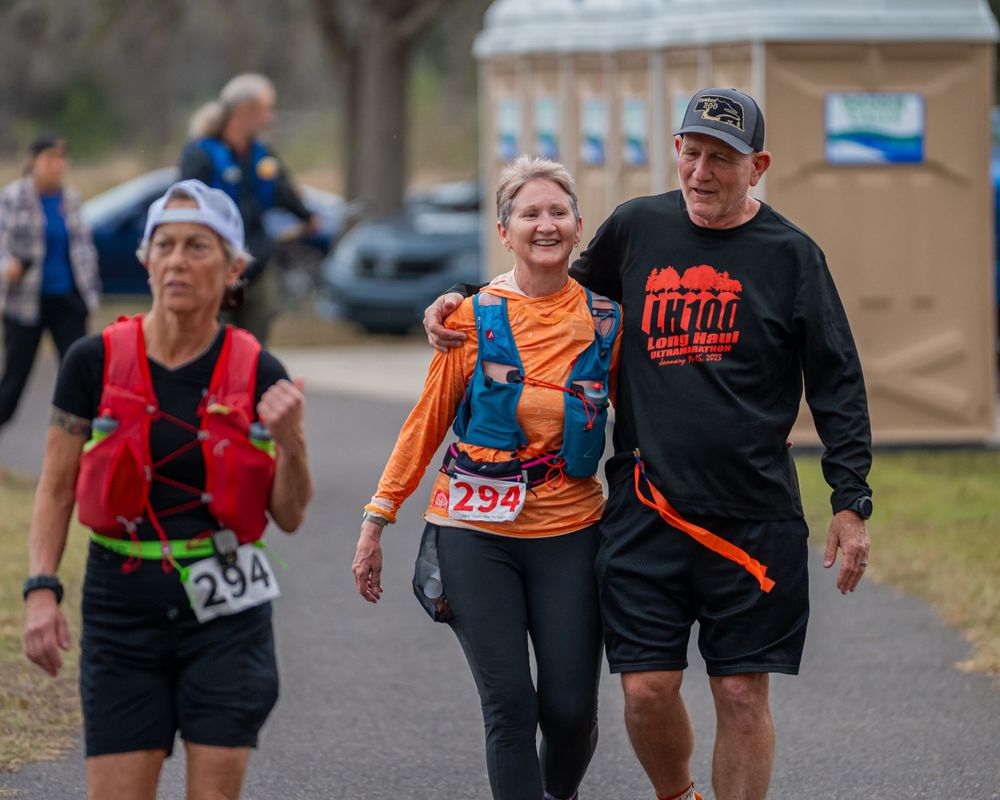
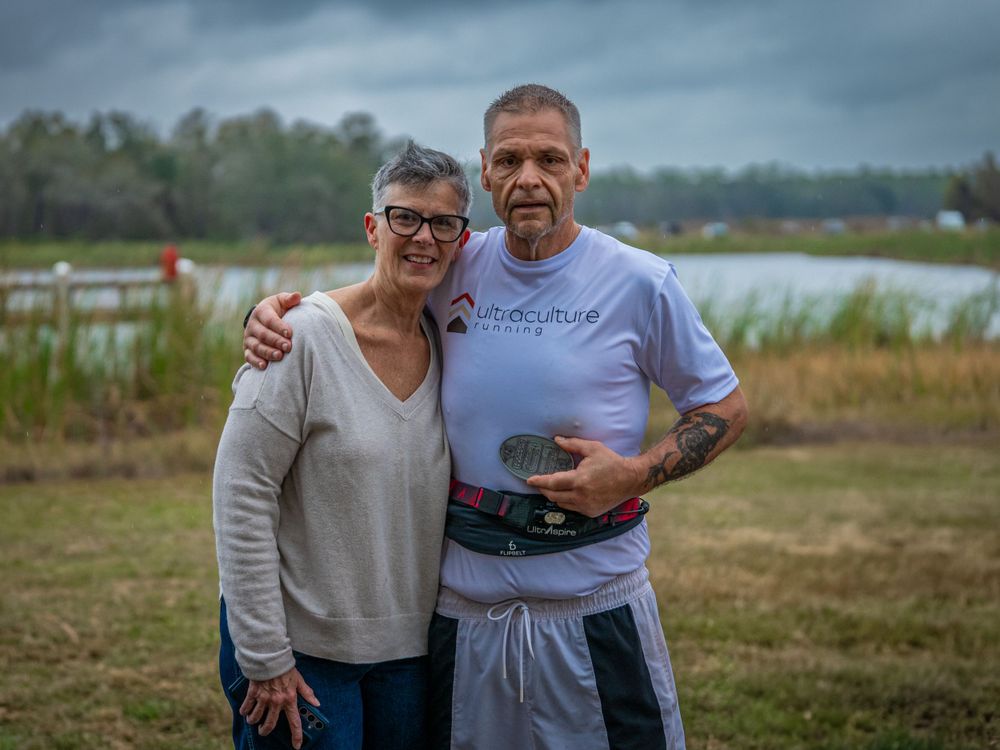
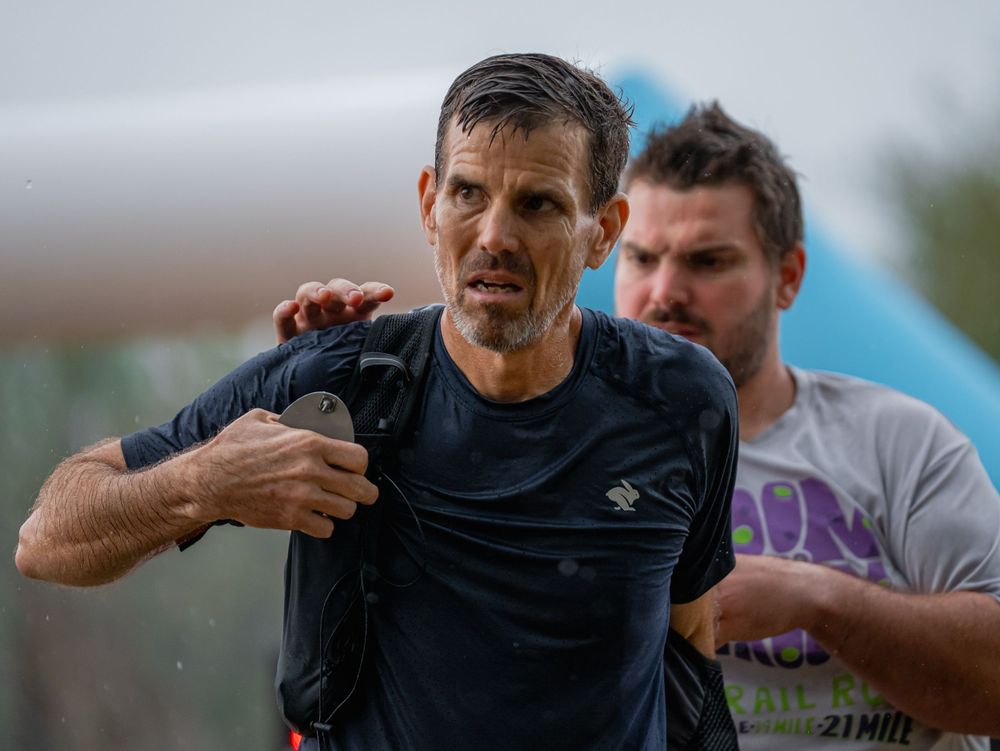
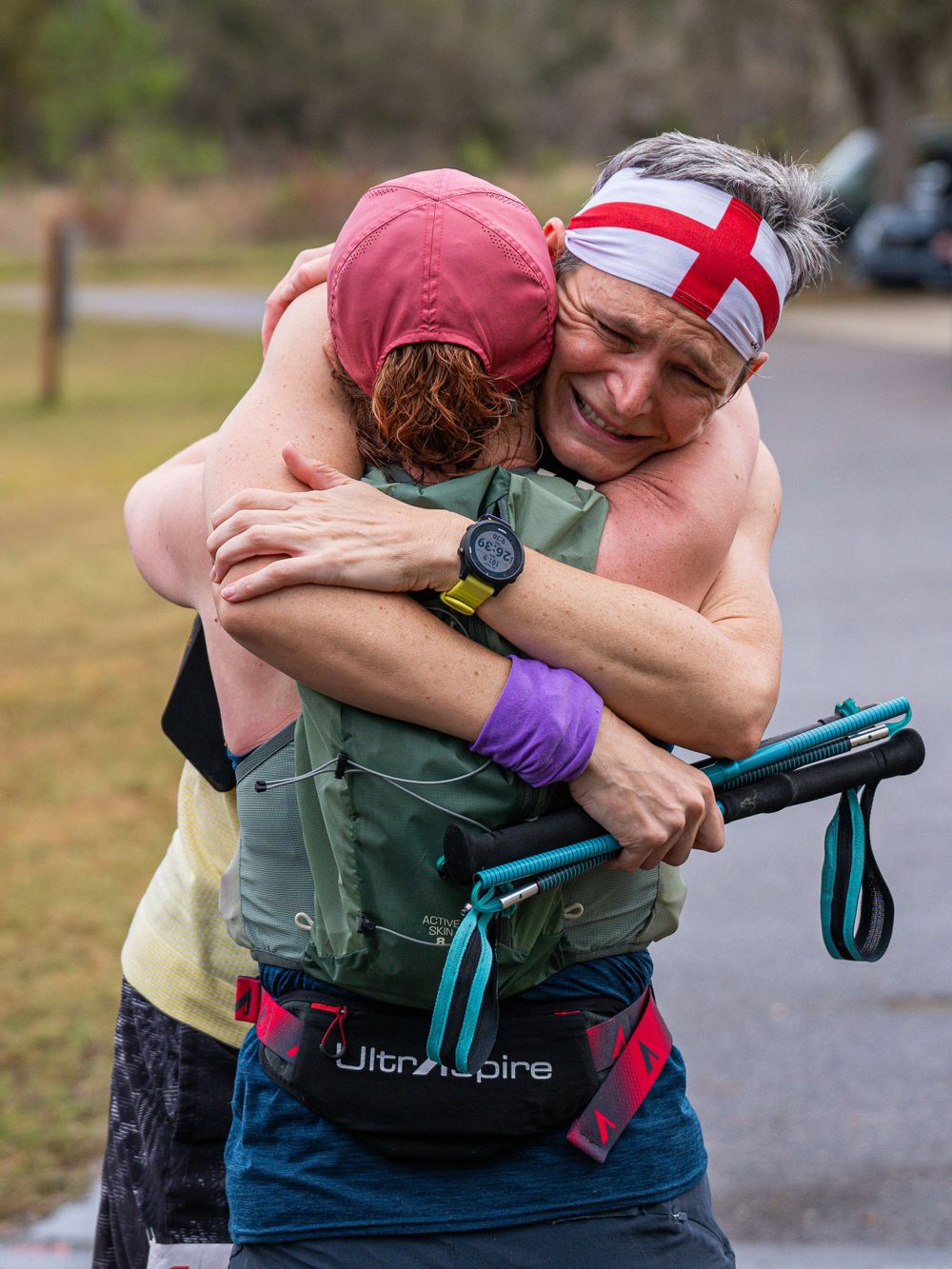
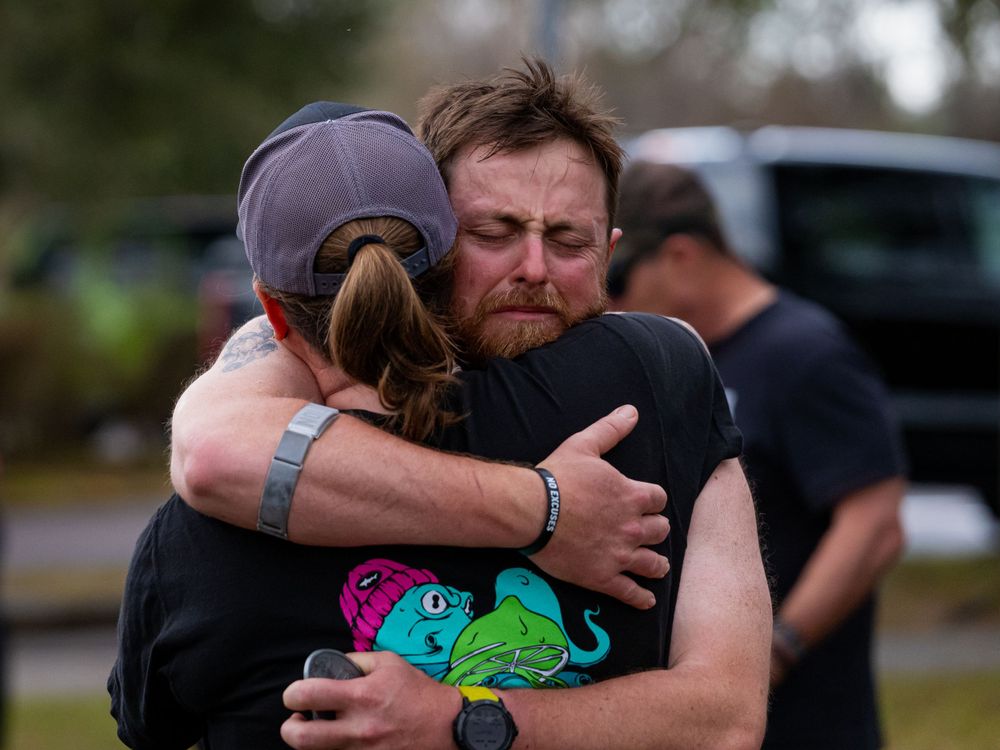
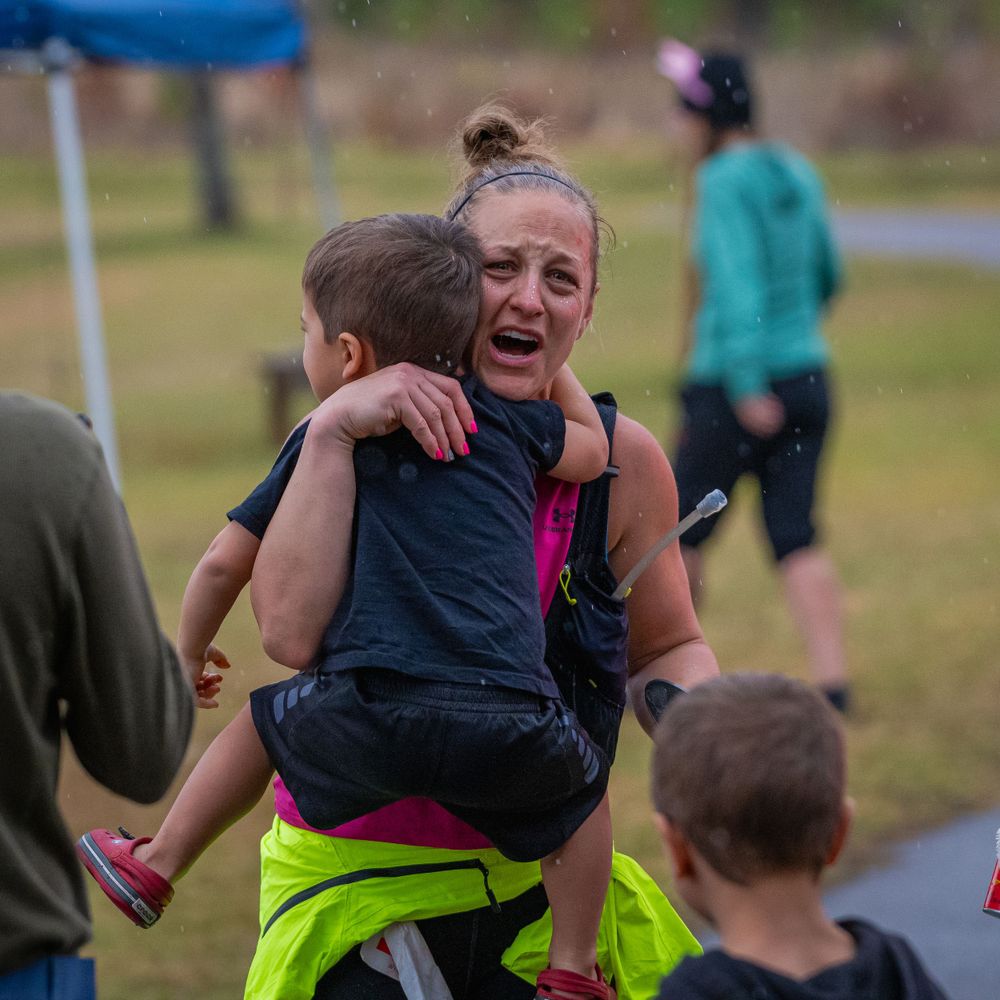
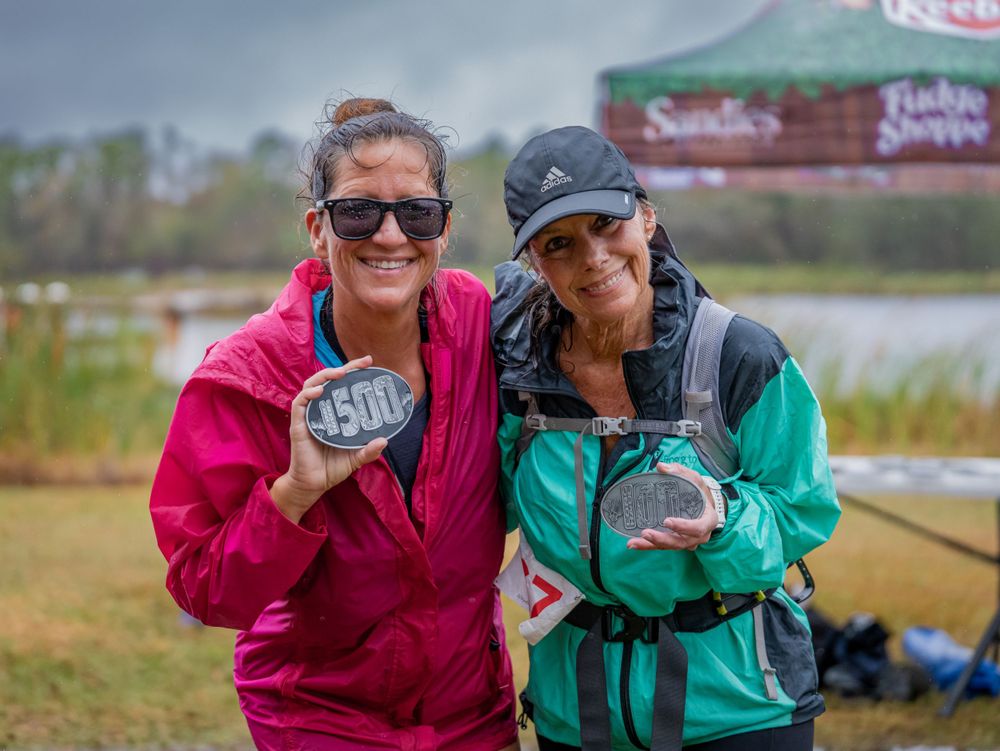
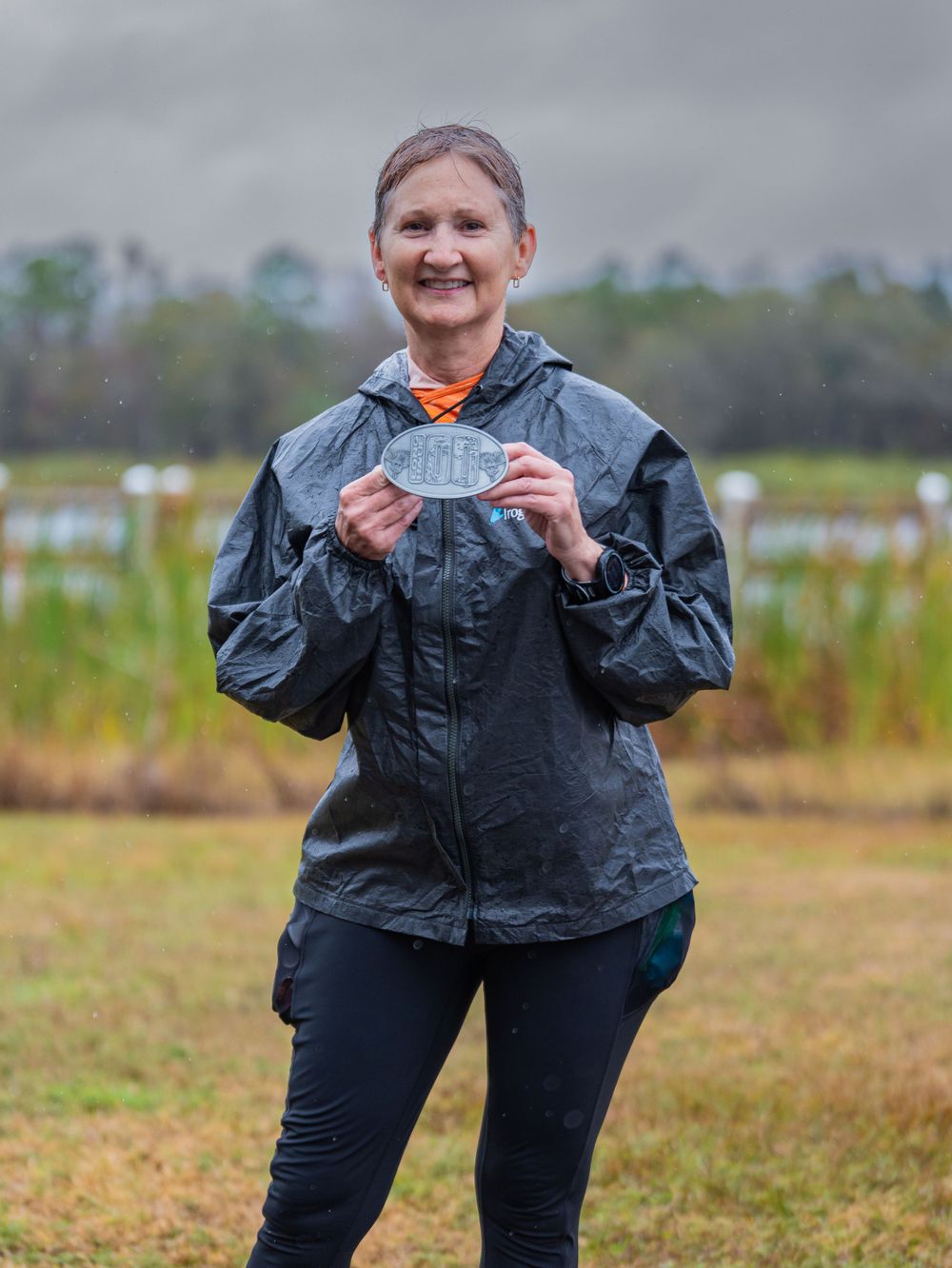
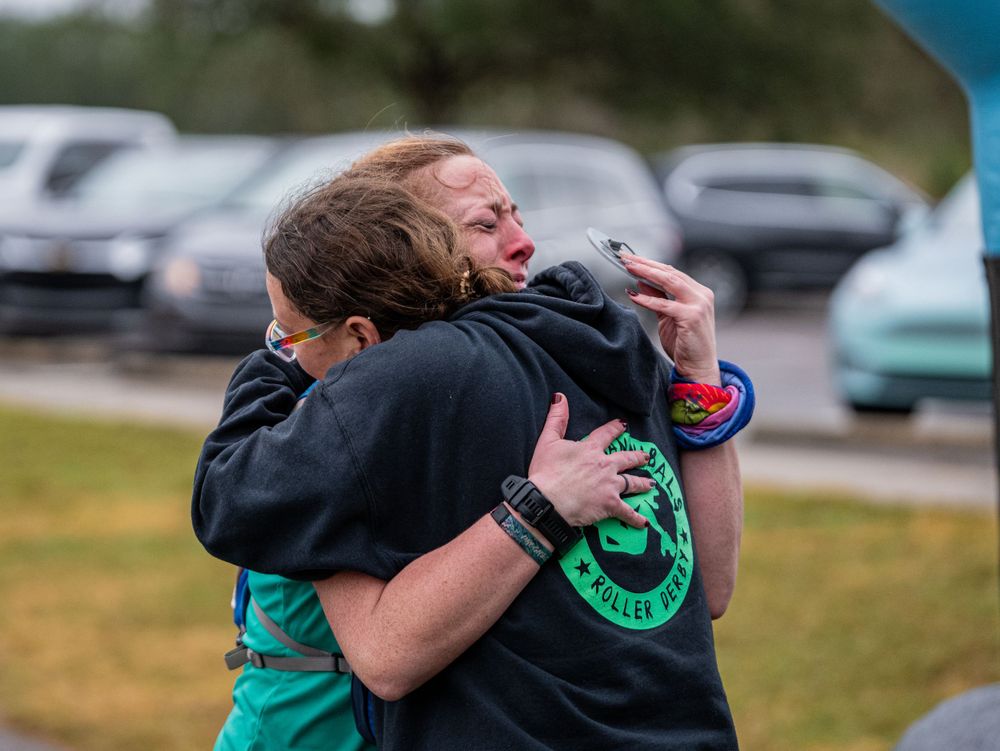
Now that the sun was rising, I knew it was time to get back to work, and I was ready to get the shots I was most excited to get. See, with 100 miles races, the sub 24-hour finishers are usually less emotional. These are runners who have completed these races before, and while emotions can get high, it’s usually tame. The best reactions are the 24+ hour finishers, because these are the ones who are fighting for a finish. The happiness, relief, and pain all hit at once the moment they cross the line, and especially after they are handed the iconic 100 mile buckle. Family and friends show up to congratulate them, hugs from spouses and children. It’s a truly special and magic moment, and I was well rested and ready to bust my ass to get these shots.
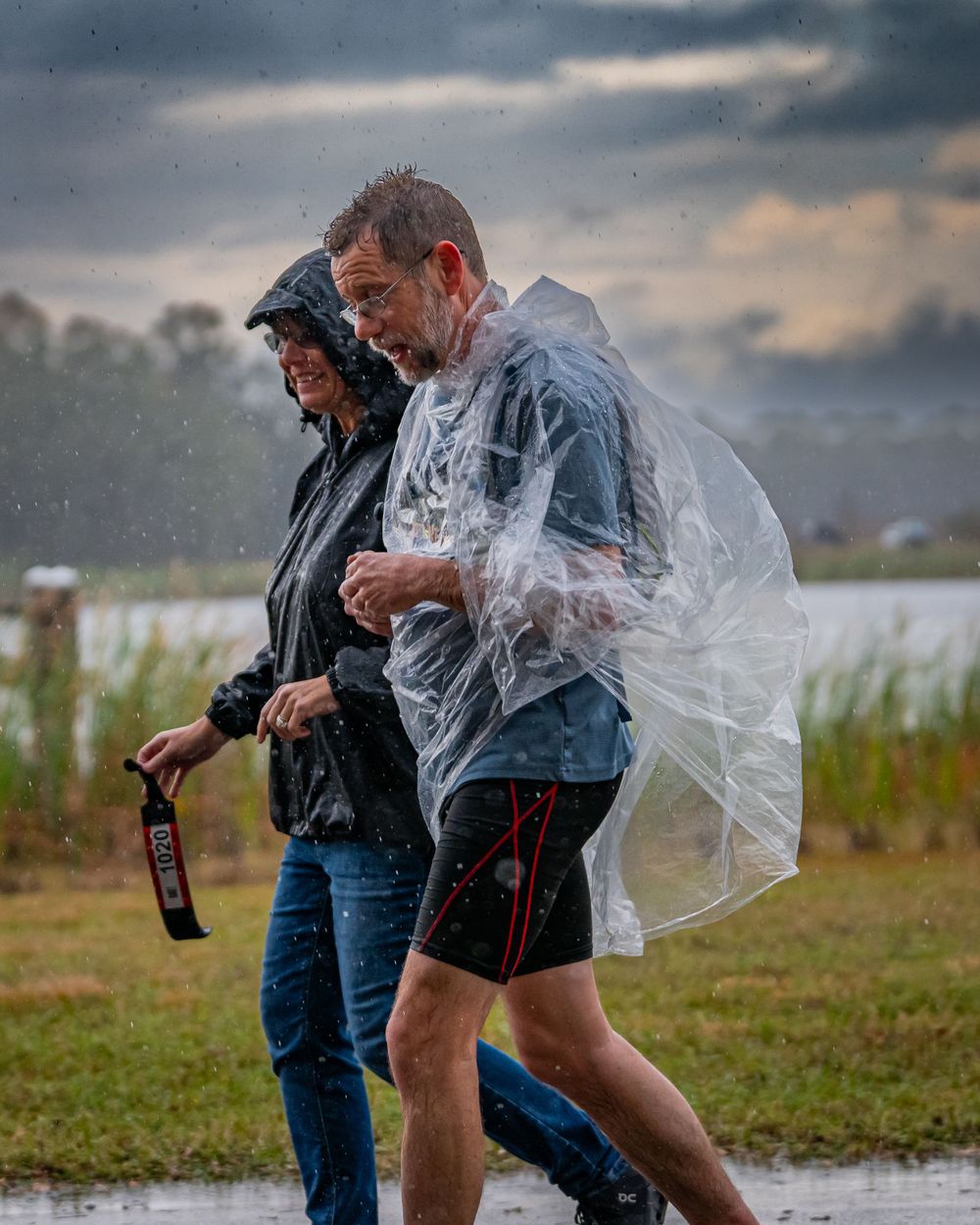
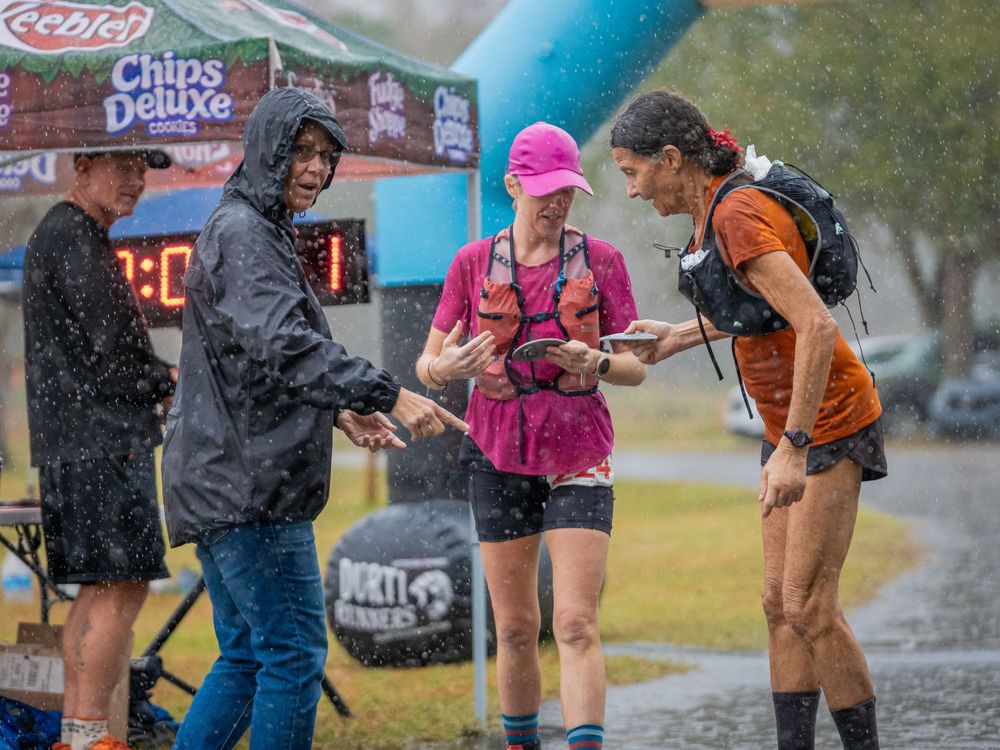
The weather was again being painful, with a mix of overcast skies, drizzling rain, and the occasional peek of sunshine. As with the previous day, this made future color grading tough, but there was nothing I could do about the weather, so I focused on getting shots while in the moment. At some points the rain was coming down heavily, so I set up a chair with an umbrella attached to my tripod. This resulted in some pics with an interesting perspective, and I’m happy I planned ahead and brought a clamp that allowed me to mount the umbrella securely in the wind and rain.
I think the worst part of the finish line was the porta potties set up right behind the finishers. I did my best to get angles that removed this eyesore, but ultimately, I had to get them in the shots. I was able to remove them in post on a number of pictures, but on some the only option was to leave them in. I don’t think it distracted too much from the focus on my subjects, but I had to dump a few shots just because the entire backdrop was filled entirely with a line of porta potties.
Lesson Learned #10: Get the shots, worry later
This lesson is an oxymoron, but I’ll explain. Poor lighting? porta potties in the background? Get the shot. Do what you can to get the shot, and worry later about the work required to make the shot look good. However, try and mitigate future work by getting the proper angles and lighting, but if your back is against the wall and you have no choice, get the dan shot. I had more than a few shots that at first glance appeared unusable, but with cropping and some work in lightroom I was able to produce some incredible (to me) results. If I only shot under the best circumstances I would have never captured these shots, and they turned out to be some of my favorite.
All Done
After the race I decided to head home, since the runners and their crews were dwindling. I thought about helping with the teardown of the aid stations and equipment, but I had just worked 25 out of the last 32 hours so I figured my job was done. That’s it. I’m done. And Exhausted. Now all that’s left is to figure out which of the 4,000+ photos I want to present to the world for my first shoot.
Editing
It took me 2 days to finally get the courage to sit down and select/edit the 4200 photos I had captured. I started by going through and selecting all the ones I liked, and trashing the “losers”. Out of focus shots? Trash. Horribly framed? Trashed. Poorly exposed? Tra…actually, I shot in RAW so some of these are still salvageable!.
After down-selecting I still had 1500 photos, and figured after a second pass I’d have 700 or so keepers. This turned out to be an underestimation, because the final number was around 1100. It was so hard not including some photos, because I wanted to include shots of everyone, even if some of them were mediocre. Some shots that weren’t great, or uninteresting, mattered to me, because they may have been the only shot of an individual runner I had in my whole catalog. I’d hate to view the race photos and not see myself, so I had a high focus on inclusion of all runners when selecting the shots.
The editing process was a huge learning experience. After a first pass of editing, I realized I had underexposed all my shots, so fixed the exposure. Then, I realized the saturation was too high, so I did a pass and turned it down. I still am not 100% happy with every single shot, but this is after going through and reviewing the gallery multiple times since publishing. However, as a whole, I feel like it is a solid gallery, especially for a first-time shoot, but I will always be my biggest critic and strive to produce better results every chance I get.
Lesson Learned #11: Streamline the editing process
I kind of knew this was going to be rough, but it was “2 weeks of getting up early before work and staying up late to get the photos out” type of rough. I should have exported a sample of my shots earlier, instead of waiting to export the whole lot and noticing consistent issues. I also should have checked that my computer monitor was well lit and calibrated, because there was a slight discrepancy on what I saw on the laptop screen versus the phone screen.
Lastly, I recently bought a Tourbox Lite which has increased me editing speed tenfold. I seriously don’t know how I edit 1000 photos using only the moue and keyboard, but I did another shoot a week ago and edited 400 photos in 3 days, using only my spare time. With each shoot I’ll get better at editing and develop my ow Lightroom presets, but as for now I will expect each shoot and each editing experience to be filled with learning experiences.
Conclusion
That’s it, I’m done. If you made it this far I thank you so much for reading. If you’re a fellow photographer then I just want to say these “Lessons Learned” may be all bullshit, but they are my bullshit, and I claim to be no expert. I’m learning as I go and having fun while doing it, and I’m excited to learn new lessons, revise old ones, ad see where this journey takes me.
If you’re a fellow runner, race director, or just a fan in general, thank you as well for reading. I’m excited to do more work in the future (and have already done some since this shoot), and I’m always willing to hear and offer and shoot for an event you put on or recommend. If anyone is looking for a single shooter that will bust ass to get the shots and capture the emotion of an event, then I would be happy to be that guy.
